
Camping provides freedom, peace, and a closer bond with nature, but it also depends on reliable power for safety and comfort. Having dependable energy outdoors makes every trip safer and more convenient, whether it’s charging a smartphone, running medical devices like a CPAP machine, or keeping a light on after sunset.
That’s where quiet, eco-friendly solar generators come in handy by converting sunlight into clean electricity without fumes or fuel, unlike noisy gas generators.
Solar generators are ideal for many individuals, including seniors who value simplicity, portability, and safety. Modern models are compact, lightweight, and straightforward to connect to your devices, allowing the sun to handle the rest.
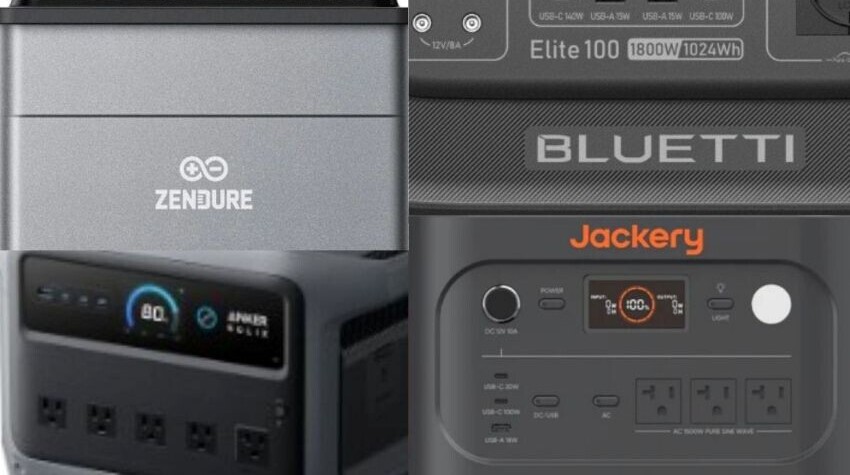
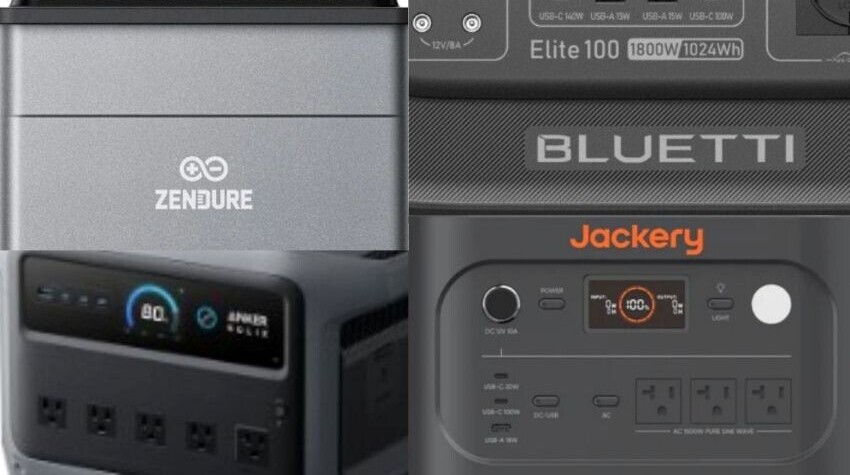
In this guide, we will review top-rated solar generators for camping from trusted brands, such as Jackery, EcoFlow, Anker, BLUETTI, ALLPOWERS, ALLWEI, and Zendure. Each model is carefully tested for performance, ease of use, and reliability, helping you choose the perfect power solution for your outdoor adventures.
How Solar Generators Work?
A solar generator is a portable power station that captures sunlight and stores it for later use. It includes three key components: solar panels, a battery, and an inverter.
- The solar panels collect sunlight and convert it into direct current (DC) electricity, which is then stored in the battery.
- The inverter changes that stored energy into alternating current (AC), the same type used in household outlets, allowing you to safely power lights, phones, or even small medical devices.
Most modern generators utilize LiFePO batteries, which are safer and longer-lasting options than older lithium-ion types. LiFePO4 batteries are stable, resistant to overheating, and can last up to 10 years with regular use, ensuring dependable performance and reduced maintenance during camping trips.
Solar units are also quiet, fume-free, and easy to set up, unlike gas generators. Just unfold the solar panels and let them charge during the day.
This U.S. Department of Energy guide on solar photovoltaic technology provides clear explanations of how sunlight converts into usable electricity.
What Should You Look For in a Solar Generator?
The right solar generator depends on your needs, mobility, and comfort level with technology. A model that offers simple operation, reliable power, and easy portability is an ideal choice.
- Look for lightweight units with handles or wheels for car camping or short trips.
- LiFePO₄ batteries are more stable and have a longer lifespan than standard lithium-ion batteries. Built-in protections against overcharging and overheating also add peace of mind.
- A bright, readable display, clearly labeled ports, and plug-and-play setup make operation straightforward. Some brands even include mobile apps that allow users to monitor their battery status.
- Capacity (measured in Wh) determines how long the generator can power your devices. A 500–1000 Wh unit, for example, can easily handle phones, lights, and a CPAP machine overnight.
- The best models offer charging options that support solar, wall, and car charging, providing flexibility in various environments.
- Solar generators that are nearly silent and require little upkeep compared to fuel models.
The Consumer Reports guide to solar generators provides additional insights on selecting the right-sized generator.
Top-Rated Solar Generators for Camping.
Jackery Explorer 1000 V2 Portable Power Stations.
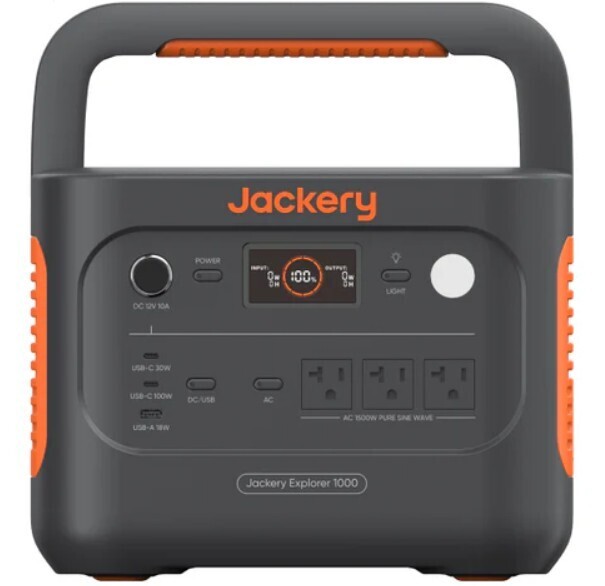
Jackery is a reliable brand in portable solar power for campers and outdoor enthusiasts. They provide dependable, high-capacity energy in compact, easy-to-carry units perfect for those seeking simple, safe power during camping trips or outdoor events.
Key Features.
- 1,070 Wh to charge phones, laptops, lights, and small medical devices, such as CPAP machines.
- 1,500 W continuous / 3,000 W output peak surge for handling multiple devices at once.
- Wall outlet, carport, or solar panel recharge option for fast charging up to 80% in approximately 1.7 hours (AC + solar).
- Long-lasting LiFePO₄ chemistry battery for safer, cooler operation.
- The weight starts at only 23.8 lbs (10.8 kg), which most older adults can lift or move.
- A large, bright LCD shows input/output and remaining charge at a glance.
Pros and Cons.
Pros.
- Excellent build quality and portability.
- Fast recharge with dual input.
- Quiet, zero-emission operation.
- Long battery life (up to 10 years of daily use).
Cons.
- Solar panels sold separately.
- No built-in wheels for heavier setups.
Pricing.
Jackery power stations typically range from $169 to $1.449, depending on the model’s power output. They are an excellent all-around choice for campers who value safety and simplicity.
EcoFlow Delta 2 Portable Power Station.
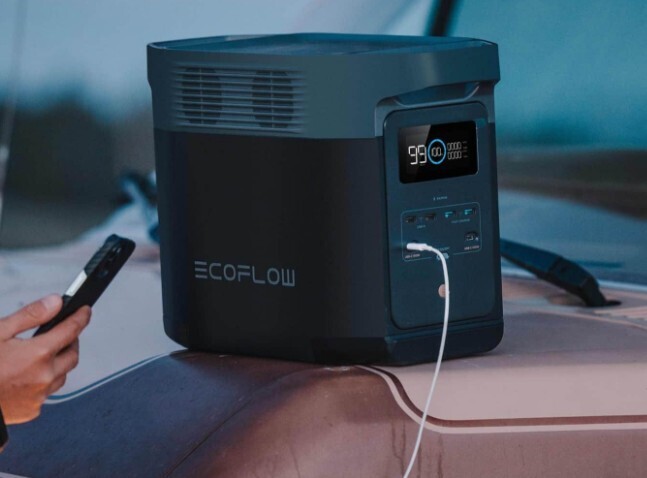
The Delta 2 model delivers both high capacity and very rapid recharging, making it especially suited to campers seeking a single unit to rely on for multiple devices and overnight stays outdoors.
Key Features.
- 1,024 Wh (LiFePO₄ battery type) with a pure sine wave inverter supporting a continuous output of 1,800 W and a surge capacity of up to 2,700 W.
- Ultra-fast recharge from 0% to 80% in approximately 50 minutes and a full charge in around 80 minutes when plugged into an AC outlet.
- USB-C 100W ports and multiple AC outlets allow you to connect up to 15 devices simultaneously.
- App control via WiFi/Bluetooth for monitoring battery status from your phone.
- Durable LiFePO₄ chemistry for long life (3,000+ cycles to 80% capacity) and built-in battery management system (BMS) to regulate voltage and temperature.
Pros and Cons.
Pros.
- High-speed charging means less downtime for people who want to relax rather than tinker.
- High output and capacity allow powering light devices, such as phones, tablets, and even a small fridge or CPAP machine for several hours.
- Intelligent monitoring via the app enables you to check the status from your phone without bending down or straining your eyes.
- A long-life battery for fewer replacements and less maintenance over the years.
Cons.
- A higher price compared to entry-level units makes the investment unaffordable for some.
- The unit may be heavier and bulkier than ultra-portable models, but many adults consider mobility when choosing a camping generator.
- Individuals new to the tech can find the correct setup challenging.
Pricing.
The EcoFlow Delta 2 Power Station costs around €699,00, which converts to approximately $760 USD (based on an approximate exchange rate).
Seniors seeking mobility aid equipment can also check the five top lightweight folding electric scooters.
Anker SOLIX C1000 Gen 2.
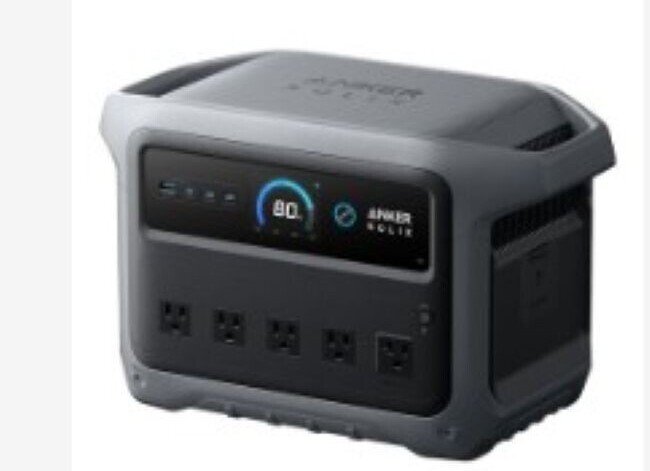
The Anker SOLIX C1000 Gen 2 offers strong performance in a compact frame, making it perfect for senior campers who want easy setup and quiet, efficient power wherever they go.
Key Features.
- 1,056 Wh LiFePO₄ battery for long-term reliability and safe operation.
- 1,800 W continuous (2,400 W surge) output, sufficient for small appliances, lights, and medical devices.
- Recharges from 0–100% in about 58 minutes via AC input and supports solar, car, or wall charging.
- The Anker SOLIX app, which supports both Wi-Fi and Bluetooth, enables users to monitor power levels, remaining runtime, and input/output, eliminating the need to check small screens.
- It weighs 28.4 lbs (12.9 kg) and has a sturdy handle and compact footprint for easy transport.
- Up to 3,000+ charge cycles battery Life, ensuring years of dependable use for frequent travelers and outdoor users.
Pros and Cons.
Pros.
- Speedy recharge time.
- Smart app makes monitoring simple and accessible.
- Durable LiFePO₄ battery ensures safety and longevity.
- Solid build and ergonomic design.
Cons.
- Solar panels sold separately.
- Slightly heavier than smaller-capacity options.
Pricing.
The Anker SOLIX C1000 Gen 2 Portable Power Station costs $449.99 to $899.99, depending on the model’s capacity. They offer exceptional value and convenience for camping or as a backup power source.
BLUETTI Elite 100 V2 Solar Generators.
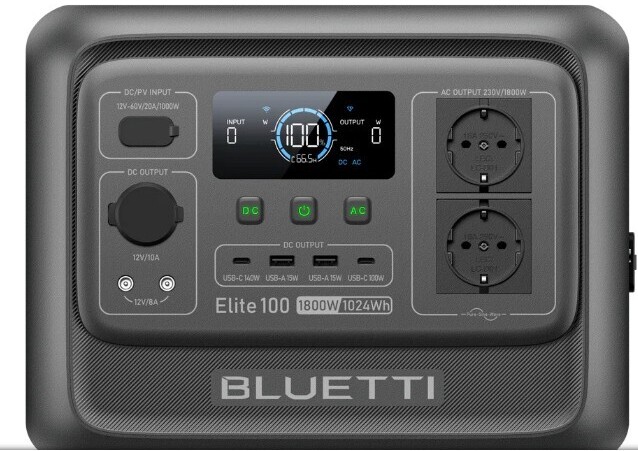
The BLUETTI portable power stations combine high-capacity performance with a compact, travel-friendly design, making them an excellent fit for those who want reliable outdoor power without extra complexity.
Key Features.
- 1,024 Wh capacity to handle phones, lights, tablets, and even a small fridge for short periods.
- 1,800 W AC Output with surge capability up to 2,700–3,600 W.
- Supports AC input up to 1,200 W and solar input up to 1,000 W, reaching 80% in about 45 minutes under optimal conditions.
- Weighs approximately 25 lbs (11.5 kg) for easy handling and travel.
- Uses LiFePO₄ battery cells with over 4,000 cycles to 80% capacity for long-term use.
Pros and Cons.
Pros.
- Power, portability, and compactness make the solar generator ideal for many users, including seniors.
- Rapid recharge time offers less downtime and more freedom while camping.
- A long-life battery offers good value over many years.
- The BLUETTI Elite 100V2’s clean and quiet operation makes it suitable for outdoor and camping use.
Cons.
- It may still be heavier than ultra-light models for very mobile seniors.
- The price is still higher, although more affordable than some high-end units.
- Ensure you have compatible panels for full solar functionality.
Pricing.
The BLUETTI Elite 100V2 portable power generator’s price range is from €499 to €529, which converts roughly to $540 to $575, depending on the exchange rate.
Older adults with hearing issues can also check out a simple guide to the Audien Atom Pro Hearing Aids.
Zendure SolarFlow AB2000X Portable Power Station.
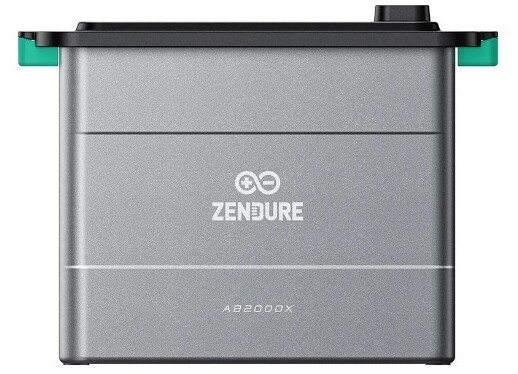
Zendure SolarFlow AB2000X is ideal for campers who need high-capacity, long-term power in a portable format. Premium features, including stackable capacity, LiFePO₄ battery chemistry, and cold-weather functionality, make it especially useful for longer trips, RVs, or outdoor stays, providing hassle-free convenience.
Key Features.
- 1,920 Wh (40 Ah, 48 V) capacity for one AB2000X battery unit.
- Can stack up to four AB2000X units, expanding capacity up to 7,680 Wh in the system.
- LiFePO₄ battery cells with 6,000 cycles to a minimum of 70% capacity offer excellent longevity for seniors seeking long-term reliability.
- Maximum Input/Output Power of 1,680 W or 1,920 W output for systems with two or more.
- Self-heating function enables charging down to -20°C. The device features an IP65 protection rating for dust/water resistance in outdoor/rough conditions.
- 20.3 kg (~44.8 lbs) / 388 × 224 × 292 mm, which may be heavier than many portable units.
Pros and Cons.
Pros.
- Exceptional capacity and scalability for longer trips or powering larger devices, such as a small fridge, lights, and laptops.
- Long-life battery chemistry for fewer worries about replacement over the years of use.
- Excellent for seniors who travel in RVs or stay off-grid for multi-day trips and want “set-it and forget-it” power.
- Built-in features for harsh weather / cold-temperature use increase reliability.
Cons.
- Heavier and bulkier than typical camping generators for some older users.
- Costly compared to budget units, but the benefit comes with a larger capacity.
- Ideal for extended stays but may be over-spec’d for very short camping trips.
- Requires a compatible system setup (battery + power station/inverter), unlike simpler plug-and-play models.
Pricing.
Zendure SolarFlow AB2000X portable solar stations typically cost $699 – $ 4,999. They are ideal for campers who go on multi-day outdoor adventures or who use a camper/RV setup and want high-reliability power.
Key Features.
- An ideal 299 Wh lithium battery for powering smartphones, lamps, mini fans, and other small electronics.
- 600 W (1,200 W peak) output empowers the generator to handle multiple low-wattage devices simultaneously.
- AC, solar, or car input solar recharging options take around 3–5 hours under intense sunlight.
- Lightweight at just 8.6 lbs (3.9 kg) with a convenient handle, making it easy for older adults to carry.
- Features USB-A, USB-C, DC, and AC outputs for a range of devices.
- The built-in management system prevents overcharging, overheating, and short circuits.
Pros and Cons.
Pros.
- Very portable and easy to use.
- Affordable entry point into solar energy.
- Multiple charging methods for flexibility.
- Quiet and maintenance-free.
Cons.
- Limited capacity that doesn’t suit large appliances.
- Shorter runtime compared to mid-tier models.
Pricing.
ALLPOWERS 299Wh 600W solar generators typically sell for about $230–$250 USD, depending on the bundles, making them ideal for those getting started with portable solar power.
Those seeking wearable wellness devices that gently stimulate the vagus nerve through the neck to calm teh body and mind naturally can alo check out the Pulsetto Vagus Nerve Stimulator Review.
ALLWEI LiFePO4 1200W Solar Generator.
ALLWEI might not be as well-known as some high-end portable power brands. However, this model remains a solid choice for campers requiring reliable power for extended trips and medical devices.
Key Features.
- 1,008 Wh with battery cells designed for 2,500 cycles to 80% capacity for many years of use.
- 1,200 W continuous, with a peak surge of up to 2,400 W, to run lights, charging stations, laptops, and even small appliances or a CPAP machine.
- Super-fast recharge in around 60 minutes to 80% via AC and solar input (with compatible panels), supporting faster off-grid recharging.
- UPS mode (<10ms>
- 28 lbs (12.7 kg), dimensions approx 14.9″ × 8.6″ × 10.2″ make it to easy to manage for one person.
Pros and Cons.
Pros.
- LiFePO₄ chemistry offers outstanding battery life and long-term reliability.
- High power output enables use beyond phones/lights for people seeking to bring higher-wattage devices.
- A UPS backup feature adds a safety margin for medical or emergency use during camping trips.
- Solid value compared to premium brand models with similar specs.
Cons.
- At 28 lbs, it is heavier than some lightweight compact models, which can make mobility an issue for some seniors.
- ALLPOWERS may typically sell the solar panels separately, as many solar generators do. Check bundle details.
- Less brand recognition compared to bigger names.
Pricing.
The product costs €599 to €899, translating to approximately US $650–$975 depending on the day’s exchange rate.
Safety and Maintenance Tips for Senior Campers.
Using a solar generator is generally a safe and straightforward process. Still, a few precautions can help ensure years of trouble-free performance, especially for older users.
- Always place your generator on flat, dry ground to prevent tipping or exposure to moisture.
- Angle the panels toward the sun for optimal results and use adjustable stands or supports if possible to avoid stepping on or bending the panels.
- Check the wattage limits before plugging in multiple devices to prevent overloading the battery and potentially triggering an automatic shutdown.
- Use weather-protected connectors and ensure all cords are dry before plugging them in to reduce tripping hazards and prevent electrical issues.
- Charging the battery according to the uszer manual helps to maintain cell health and keep it always ready for emergencies.
- Wipe dust off panels and ports with a soft cloth.
- Store your generator in a superb, dry location when not in use.
Seniors and other interested individuals can also learn how to share their stories online for free while building online businesses that can provide a part-time or even full-time income through writing, affiliate marketing, or other digital ventures.
(FAQs) About Solar Generators for Camping.
How long can a solar generator power a CPAP machine or medical device?
Most mid-range solar generators with a capacity between 1,000 and 1,500 Wh can power a CPAP machine for 8–12 hours on a single charge, depending on the device’s wattage. Alternatively, you can lower the pressure settings or disable heated humidifiers to extend the runtime.
Can a solar generator charge on cloudy days?
Solar panels still collect diffuse sunlight on cloudy days, although efficiency may drop to 20–50% of standard output. Recharge the generator from a wall outlet before your trip and keep spare cables or a car-charging adapter as backup.
Are solar generators safe to leave unattended while charging?
Most modern models use LiFePO₄ batteries with built-in safety systems that prevent overheating and overcharging. Still, it’s best to keep the generator shaded, well-ventilated, and protected from rain.
Do I need to buy separate solar panels?
Many generators are sold without panels, meaning you may purchase compatible ones separately if you plan to rely on solar charging. Some brands, such as Jackery and EcoFlow, also sell convenient plug-and-play bundles that include both the generator and solar panels.
Final Thoughts: Power Your Adventures Safely and Confidently.
Camping allows you to enjoy nature, and solar technology helps you stay safe, connected, and comfortable, regardless of your age.
The portable power station models reviewed in this content, from the lightweight Jackery Explorer 1000 V2 to the expandable Zrendure SolarFlow AB2000X, deliver dependable performance tailored to different needs and budgets.
Solar generators are clean, quiet, and easy to use, unlike traditional fuel-powered units, enabling users to explore nature without worrying about fumes, noise, or complex maintenance.
Start small if you are new to solar power, or invest in a higher-capacity unit for extended adventures. Choose a solar generator that makes you feel confident, capable, and ready for anything the outdoors brings.