
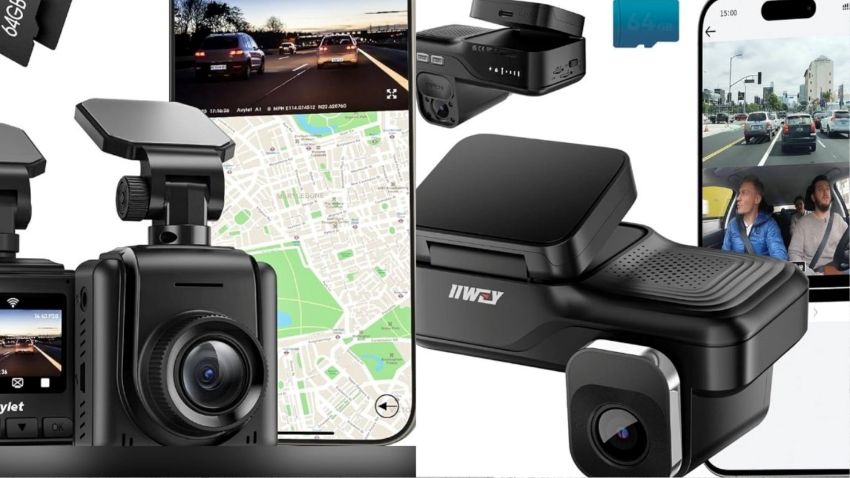
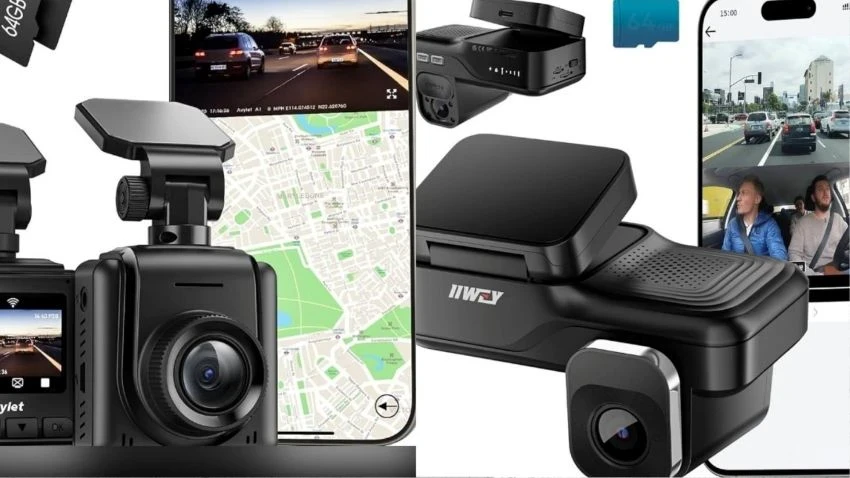
Rexing has established a solid reputation for dependable dash cams that prioritize video clarity, evidence capture, and long-term durability. It offers a variety of dash cams, each tailored to specific driving needs, to avoid the burden of overly complex systems.
This guide reviews the top 8 Rexing dash cams, from basic front-only models to sophisticated multi-channel and LTE-enabled options.
This article highlights practical use cases to help you select the Rexing dash cam that best fits your driving style, rather than just comparing specifications across models.
This comparison is especially useful if you are:
- Looking at clear accident evidence without tech overload.
- Deciding between solo, dual, or multi-channel setups.
- Driving daily, occasionally, or professionally (taxi/rideshare).
How We Compared Rexing Dash Cams?
We evaluated each Rexing dash cam within its category rather than against unrelated models to avoid duplication and keep this guide practical.
We focused on:
- Dash cam type (solo, dual, multi-channel, LTE).
- Video clarity (day and night performance).
- Ease of use (screen, buttons, setup complexity).
- Safety and evidence features (G-sensor, GPS, parking mode).
- Who the dash cam is best for in real life.
Important Note: Not every driver requires the most advanced dash cam. We explicitly highlight when a more expensive model isn’t needed across sections to build trust, enhance usability, and maintain EEAT.
Solo (Front-Only) Dash Cams.
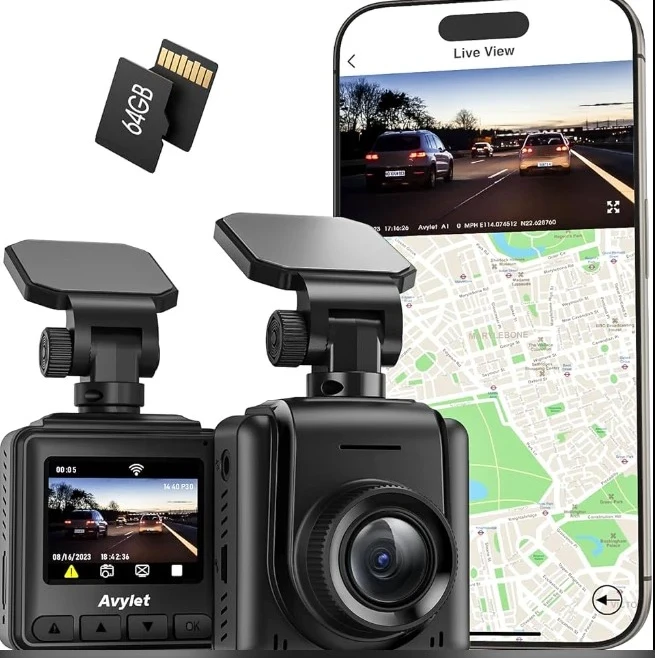
Why choose solo dash cams?
A front-only dash cam captures what matters most, the road ahead, without the need for additional wiring, cameras, or complex settings.
This type of Rexing dash cam is ideal if you:
- Want basic accident evidence.
- Prefer minimal setup and controls.
- Drive occasionally or mostly during the day.
What the Rexing solo model does well.
- Clear forward-facing video for incidents and insurance claims.
- Built-in screen for easy review without a phone.
- Automatic recording when the car starts.
- Compact design that doesn’t block your view.
Limitations to be aware of.
- No rear or interior coverage.
- Less useful for hit-and-run incidents from behind.
- Fewer advanced features than multi-channel systems.
Best for: Drivers seeking straightforward, dependable protection without the hassle of multiple cameras or complicated menus.
A UK legal guide states that dash cam footage is increasingly accepted as evidence in insurance claims and police reports.
Dual-Channel Rexing Dash Cams (Front + Rear).
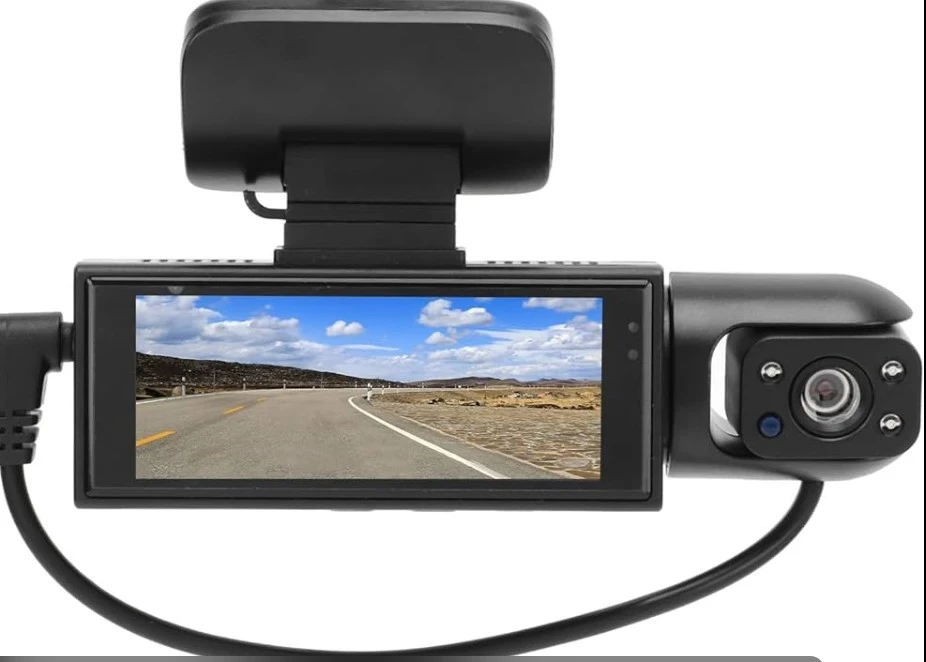
Why choose dual dash cams?
A dual-channel dash cam captures footage of both the road ahead and behind, providing enhanced protection against rear-end collisions, hit-and-runs, and parking accidents.
This type can be a smart upgrade if you:
- Want clearer fault evidence after accidents.
- Park on the street or in shared parking areas.
- Drive daily and want extra peace of mind.
What the Rexing dual-channel option does well.
- Simultaneous front and rear recording.
- Wide viewing angles to reduce blind spots.
- Automatic syncing between both cameras.
- Clear footage for insurance claims.
Trade-offs to consider.
- Slightly more setup due to rear camera wiring.
- Costs more than front-only models.
- Unnecessary if you drive rarely or short distances.
Best for: Drivers seeking improved accident evidence and rear-impact protection without the need for complex multi-camera systems.
Best Dual-Channel Rexing Dash Cam with GPS.
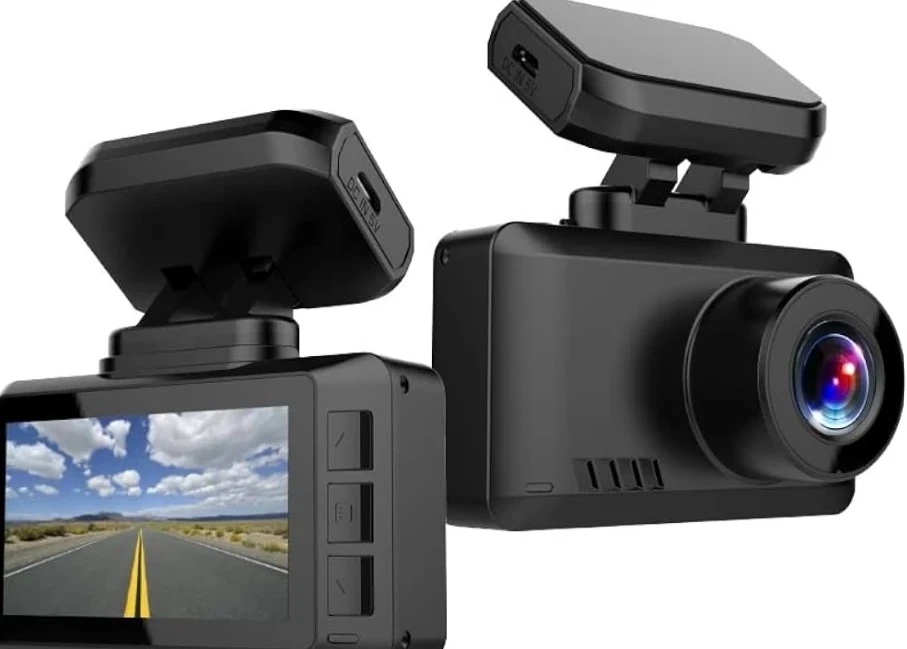
Why choose a dual dash cam with GPS?
Adding GPS enhances dash cam footage as evidence by recording speed, location, and route data alongside the video, helping clarify what happened before and during an incident, especially when timelines or locations matter.
Choose this type if you:
- Need clearer documentation for insurance discussions.
- Drive longer routes or unfamiliar roads.
- Prefer video that includes where and how fast you were driving.
What the Rexing GPS-enabled dual option does well.
- Front and rear-facing recording with synchronized GPS data.
- Speed and location overlays on playback.
- Accurate trip history for reviewing incidents.
- Stable performance without needing a phone app during driving.
Trade-offs to consider.
- Slightly higher cost than non-GPS dual models.
- GPS data isn’t needed for every driver.
- Setup may take a few extra minutes.
Best for: Drivers seeking more detailed accident evidence and clearer footage review.
3-Channel Rexing Dash Cams (Front + Rear + Interior).
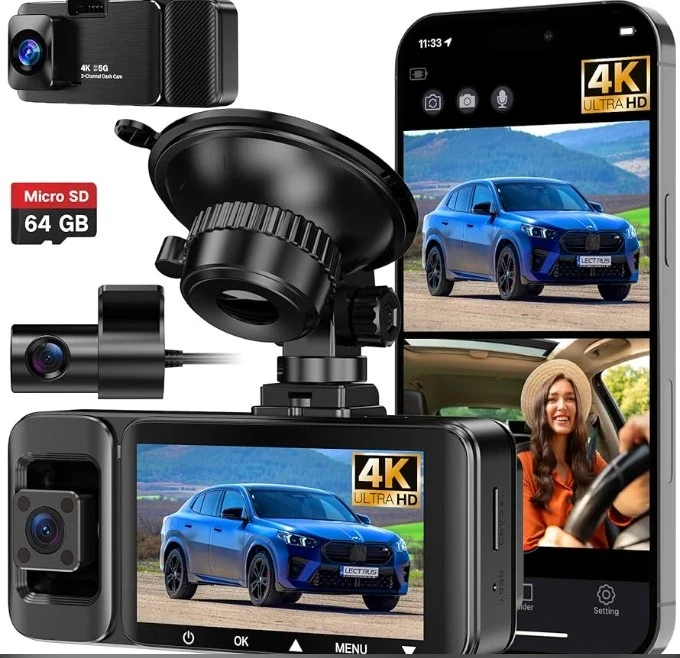
Why choose 3-channel dash cams?
A 3-channel dash cam captures three essential perspectives simultaneously: the front of the road, the rear of the vehicle, and the cabin interior.
This configuration provides near-full coverage without requiring complex professional systems.
This type makes sense if you:
- Want protection from both external and in-car incidents.
- Drive with passengers frequently.
- Use your vehicle for rideshare or taxi work.
What the Rexing 3-channel option does well.
- Simultaneous front, rear, and interior recording.
- Interior camera helps document passenger behavior.
- Strong evidence for disputes or unclear incidents.
- One integrated system instead of separate cameras.
Trade-offs to consider.
- More setup than solo or dual models.
- An interior camera may not be needed for private drivers.
- Slightly higher price and storage usage.
Best for: Drivers seeking maximum visibility without adopting a fully professional setup, especially rideshare drivers or those who frequently transport passengers.
Our guide to the Five Best Easy-to-Use Dash Cams for Older Drivers also features models that require minimal setup, have clear screens, and are easy to use every day.
Rexing Dash Cam with 4G LTE.
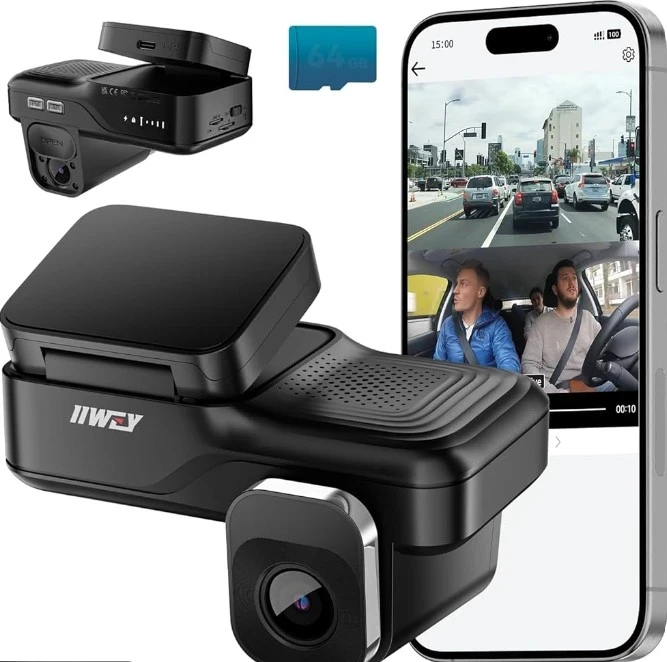
Why choose a dash cam with 4G LTE?
A 4G LTE dash cam provides remote access, so you can monitor your vehicle, get alerts, and review footage even when you’re away. This transforms the dash cam from a simple driving recorder into a mobile security tool.
This type is useful if you:
- Park your car on the street or in shared areas.
- Want alerts for impacts or movement while parked.
- Prefer accessing footage without removing the memory card.
What this Rexing LTE-enabled option does well.
- Remote access to live view and recordings.
- Real-time notifications for parking incidents.
- Cloud-based footage backup (when supported).
- Added theft and vandalism monitoring.
Trade-offs to consider.
- Requires a data plan or subscription.
- Higher cost than non-LTE dash cams.
- Not necessary for drivers with secure private parking.
Best for: Drivers seeking additional security and reassurance during extended periods when the vehicle is unattended.
Our guide to the Six Best Bluetooth Projectors for Seniors also offers easy ways to watch recordings without straining your eyes on a small dash cam display.
Rexing Dash Cams for Interior / Cabin Recording.
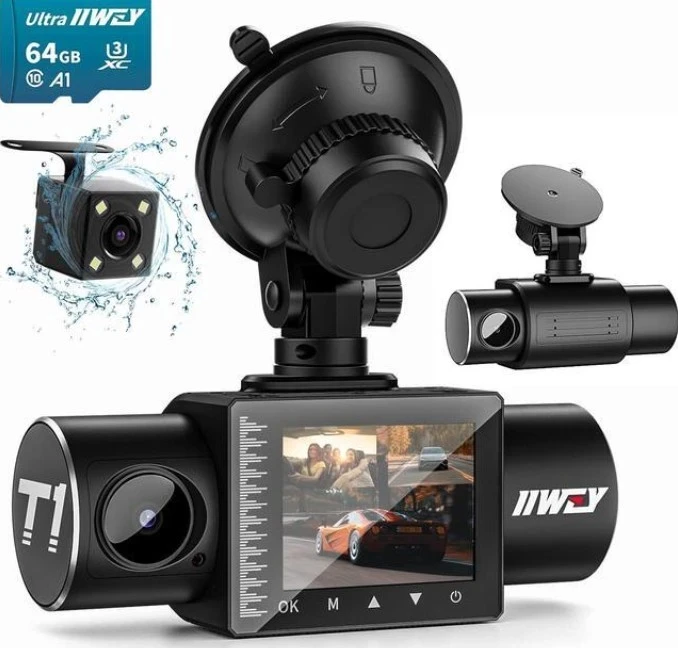
Why choose a dash cam with an interior camera?
An interior (cabin-facing) dash cam records activity inside the vehicle, providing an additional layer of protection when passengers are present, especially when accounts of an incident don’t match.
This type is worth considering if you:
- Drive passengers regularly.
- Use your vehicle for rideshare or taxi work.
- Want added protection against false claims or disputes.
What this Rexing cabin-focused option does well.
- Clear interior video recording, often with infrared for night use.
- Helps document passenger behavior during trips.
- Complements front- or rear-footage for full context.
- Useful in situations involving disagreements or liability questions.
Trade-offs to consider.
- Unnecessary for private drivers who rarely carry passengers.
- Interior recording raises privacy considerations.
- Slightly more setup and settings to manage.
Best for: Drivers seeking additional accountability and protection when transporting passengers.
The guide to the Five Best Smart Locks With Cameras for Home Security also discusses how video monitoring can improve home security.
Best Value Rexing Dash Cam (Affordable & Practical)
Why choose a best-value dash cam?
A best-value dash cam prioritizes essential safety features without added complexity or higher costs. It delivers dependable recording for everyday driving while keeping setup and controls simple.
This type is ideal if you:
- Want reliable accident evidence at a lower price.
- Prefer simple menus and physical buttons.
- Don’t need rear, interior, or LTE features.
What this Rexing value option does well
- Clear front-facing video for daily driving.
- Automatic loop recording and G-sensor protection.
- Built-in screen for quick playback.
- Compact design that’s easy to install and forget.
Trade-offs to consider
- No rear or interior coverage.
- Fewer advanced features than higher-tier models.
- Not designed for professional or high-risk use cases.
Best for: Drivers seeking reliable, basic protection at no extra cost for unused features.
Best Value Rexing Dash Cams.
Why choose the best-value dash cams?
A best-value dash cam emphasizes key safety features without unnecessary complexity or increased costs. It provides reliable recording for daily driving and remains easy to set up and operate.
This type is ideal if you:
- Want reliable accident evidence at a lower price.
- Prefer simple menus and physical buttons.
- Don’t need rear, interior, or LTE features.
What this Rexing value option does well.
- Clear front-facing video for daily driving.
- Automatic loop recording and G-sensor protection.
- Built-in screen for quick playback.
- Compact design that’s easy to install and forget.
Trade-offs to consider.
- No rear or interior coverage.
- Fewer advanced features than higher-tier models.
- Not designed for professional or high-risk use cases.
Best for: Drivers seeking reliable basic protection without extra features they won’t need.
Final Thoughts: Which Rexing Dash Cam Should You Choose?
Selecting the right Rexing dash cam is not just about choosing the most feature-rich model. It involves choosing a dash cam that aligns with your typical driving habits.
- Solo is the best value for simple daily protection.
- Dual-channel is ideal for accident and rear-impact evidence.
- 3- or 4-channel offers full coverage for passengers or professional use.
- 4G LTE is ideal for remote monitoring and added security.
Choose a front-only or dual setup if simplicity is your priority, or explore multi-channel or LTE options if documentation and accountability are your priorities.