

Many of us take clean drinking water for granted until we notice that chlorine, potential contaminants, and aging plumbing can affect water quality, especially in older homes.
That’s why more households are opting for reverse osmosis water filtration, as one of the most effective ways to purify drinking water.
But how does reverse osmosis water filtration actually work, and is it something you really need?
This straightforward guide will walk you through the process step by step, explain what reverse osmosis removes from your water, and help you decide if this type of filtration makes sense for everyday home use.
What Is Reverse Osmosis?
Reverse osmosis pushes water through a special semi-permeable membrane to remove impurities. It allows only clean water molecules to pass through while blocking unwanted substances like chemicals, heavy metals, and other contaminants.
This process applies pressure to push water through the membrane, preventing contaminants from spreading freely and leaving impurities behind, which are then flushed away as wastewater.
Targeting a broader range of dissolved solids that are often invisible but still present in tap water makes reverse osmosis one of the most thorough filtration methods available for home use, especially in areas with hard water, aging pipes, or questionable water quality.
The U.S. Environmental Protection Agency (EPA), a top authority on drinking water, sets standards for safe drinking water.
Reverse Osmosis System’s Key Components.
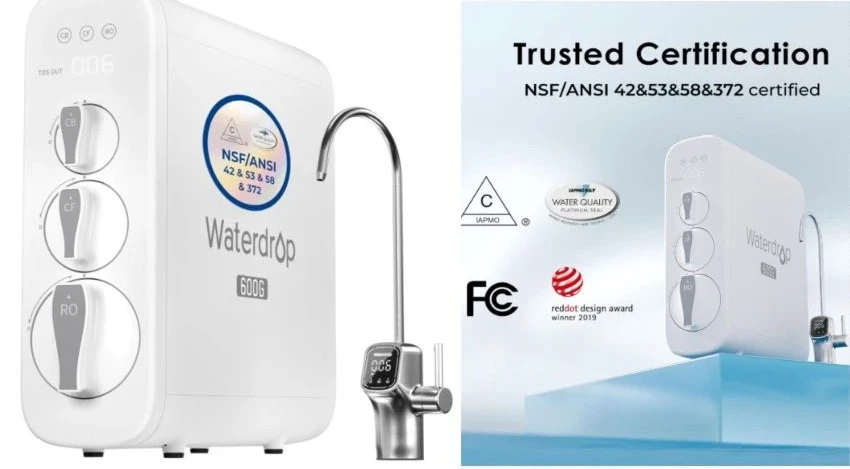
A reverse osmosis system includes several key parts that work together to create clean, safe drinking water.
- Sediment pre-filter captures dirt, sand, rust, and other large particles that could clog or damage the system.
- Carbon pre-filter reduces chlorine, chemicals, and unpleasant odors, helping protect the reverse osmosis membrane and improve water taste.
- The reverse osmosis membrane removes dissolved solids, heavy metals, and many harmful contaminants.
- A pressurized storage tank holds filtered water so it’s ready to use instantly without waiting for filtration.
- Post-carbon filter provides a final polishing step, ensuring the water tastes fresh and clean when it reaches your glass.
Understanding these essential components clarifies why reverse osmosis is among the most efficient home water filtration options.
Step-by-Step on How Reverse Osmosis Water Filtration Works.
Reverse osmosis water filtration pushes water through the following filtration stages:
Water enters the system.
Tap water flows directly from your home’s plumbing into the reverse osmosis system. However, at this stage, it still contains sediment, chlorine, dissolved minerals, and other contaminants typically found in municipal water supplies.
Sediment and carbon pre-filtration.
The sediment filter removes larger particles, such as sand, dirt, and rust, that could clog the system. Then, the carbon filter eliminates chlorine and other chemicals, improving taste and protecting the delicate reverse osmosis membrane from damage.
Reverse osmosis membrane filtration.
Water is forced under pressure through a semipermeable membrane that blocks most dissolved solids, including heavy metals, salts, fluoride, and many chemical contaminants, while allowing clean water molecules to pass through. The system flushes rejected impurities away as wastewater.
Water storage.
The system then stores the filtered water in a pressurized tank, ensuring clean water is available instantly when needed, without waiting for the filtration process to run again.
Final carbon polishing.
The water goes through a post-carbon filter before reaching your glass, improving taste and eliminating any lingering odors, ensuring the water is fresh and enjoyable to drink.
The U.S. Centers for Disease Control and Prevention (CDC) emphasizes that membrane filtration systems, such as reverse osmosis, are effective at reducing many harmful contaminants when properly installed and maintained.
What Reverse Osmosis Removes From Drinking Water.

Reverse osmosis focuses on dissolved impurities that are often invisible but still present in tap water, unlike basic filters that mainly target odor and chlorine.
Heavy metals.
Reverse osmosis effectively removes heavy metals, such as lead, arsenic, mercury, and cadmium, that can enter drinking water through old plumbing, industrial pollution, or natural mineral deposits, making them the primary concern for long-term health.
Chlorine and chemical compounds.
RO systems also remove chlorine, chloramines, and many chemical byproducts used in water treatment, which not only improves taste and smell but also reduces exposure to substances that may irritate the stomach or skin.
Dissolved salts and minerals.
Total Dissolved Solids (TDS), including excess calcium, sodium, and nitrates, are significantly reduced, leading to cleaner-tasting water and benefiting areas with hard or poor-quality water.
Bacteria and microorganisms.
Reverse osmosis is not a disinfectant on its own. However, the membrane can effectively block many bacteria and microorganisms due to its small pore size, providing an extra layer of protection when used with proper pre-filtration.
Important Note: Reverse osmosis can’t remove certain gases and some tiny organic compounds unless paired with additional filtration. This transparency is essential for making an informed decision.
Is Reverse Osmosis Water Safe for Seniors?
Reverse Osmosis systems remove heavy metals, excess salts, and chemical contaminants to lower long-term exposure to substances that could impact overall health, especially in older adults.
Most seniors already get essential minerals like calcium and magnesium from food, not drinking water. Still, those who prefer added balance can find RO systems that include a remineralization stage to improve taste and mineral content.
Reverse osmosis water is usually cleaner and smoother, which can promote better hydration for many seniors who find it challenging.
However, anyone with specific medical conditions should consult a healthcare professional before making changes to their diet or water intake to maintain overall comfort and well-being at home.
Those seeking gentle pain relief and better circulation can also check this guide on the six top-rated heating pads for seniors.
Pros and Cons of Reverse Osmosis Filtration.
Pros.
- Effectively reduces heavy metals, chemicals, dissolved salts, and many impurities that basic filters cannot handle.
- Eliminates chlorine and chemical byproducts, resulting in cleaner, better-tasting drinking water.
- Provides reliable filtration regardless of changes in local water supply or plumbing conditions.
- Reduces exposure to contaminants that may leach from aging pipes in older homes.
- Cleaner-tasting water often encourages seniors to drink more fluids throughout the day.
Cons.
- Can remove beneficial minerals like calcium and magnesium, but yiu can still get them from food sources.
- Reverse osmosis systems discard some water during filtration, which may concern environmentally conscious users.
- More expensive than basic pitcher or faucet filters, especially for multi-stage systems.
- Filters and membranes must be replaced regularly to maintain performance.
- Smaller kitchens can limit the installation under the sink.

Reverse Osmosis vs Other Water Filters.
Reverse Osmosis vs. Carbon Filters.
Carbon filters primarily reduce chlorine and other chemicals to improve taste and odor, while reverse osmosis removes dissolved solids, heavy metals, and a wider range of contaminants.
Reverse Osmosis vs. Pitcher Filters.
Pitcher filters are inexpensive and straighforward to operate, but they provide limited filtration. Reverse osmosis offers more thorough purification and more reliable water quality, especially in regions with poor tap water quality.
Reverse Osmosis Vs. Faucet-Mounted Filters.
Faucet filters are convenient for quick fixes, but they don’t remove many dissolved impurities, while RO systems are suitable for long-term use when water safety is essential.
TakeAway: Reverse osmosis systems need only regular filter changes after installation, making them easier to maintain than frequently refilling pitchers.
The Seven Top-Rated Massager Machines for Pain Relief may also be helpful for those seeking better relief from everyday aches and joint pain.
Is Reverse Osmosis Worth It for Home Use?
Reverse osmosis can be a worthwhile investment for homes, especially in areas with hard water, older plumbing, or higher levels of dissolved contaminants that basic filters can’t remove.
An RO system quietly runs in the background, delivering clean, great-tasting water with little effort once installed, promoting better hydration while gradually reducing exposure to unwanted substances.
However, you may not need this system if your tap water is already high quality and regularly tested.
- Choose reverse osmosis if you want the highest level of filtration at home.
- Consider simpler filters if your water quality is already good.
- Ideal for long-term use and peace of mind.
FAQs About Reverse Osmosis Water Filtration.
Does reverse osmosis remove healthy minerals from water?
Reverse osmosis removes some naturally occurring minerals, such as calcium and magnesium, which mainly come from food rather than drinking water. Many modern RO systems also include optional remineralization filters to enhance taste and restore mineral balance.
Does reverse osmosis waste a lot of water?
Reverse osmosis does create wastewater during filtration, but newer systems are much more efficient than older models. Modern units typically use more effective membranes that significantly reduce water waste while still providing high filtration performance.
Is reverse osmosis water safe to drink every day?
Reverse osmosis water systems eliminate many harmful contaminants while supplying clean, neutral-tasting water fit for regular hydration, making them safe for daily consumption by most people, including seniors.
How long can a reverse osmosis system last?
A reverse osmosis system can last 10 years or more with proper maintenance and timely filter replacements. Still, the membrane itself typically needs replacement every few years, depending on water quality and usage.
This guide to the Best-All-Terrain Electric Scooters for Adults can also help improve your mobility.
Final Thoughts: Clean Water Made Simple.
Reverse osmosis water filtration removes heavy metals, chemicals, and dissolved impurities, providing cleaner, better-tasting water with minimal daily effort.
Consistency and ease of use make reverse osmosis a practical option for seniors and households focused on long-term health, providing peace of mind when water quality is uncertain or plumbing is older.
The system is a reliable, low-maintenance solution that supports healthier hydration and everyday comfort when properly maintained.