


Falling asleep may take longer, nights can feel lighter, and waking up during the night becomes more common for many people, especially as they get older.
This change can be frustrating and even worrying for many seniors, but in most cases, it’s a regular part of aging, not a sign that something is wrong. Sleep quality changes gradually as the body and brain age.
Hormones shift, the internal body clock adjusts, and the way we move through sleep stages evolves, affecting how long we sleep, how deeply we rest, and how refreshed we feel in the morning.
Understanding how and why sleep quality changes with age helps to make smart, safe decisions about your sleep environment, daily habits, and long-term comfort without jumping to unnecessary treatments or quick fixes.
In this article, we focus on how sleep naturally changes with age. Understanding these changes will make it more straighforward to follow the practical sleep-improvement articles that will follow.
How Sleep Architecture Changes Over Time?
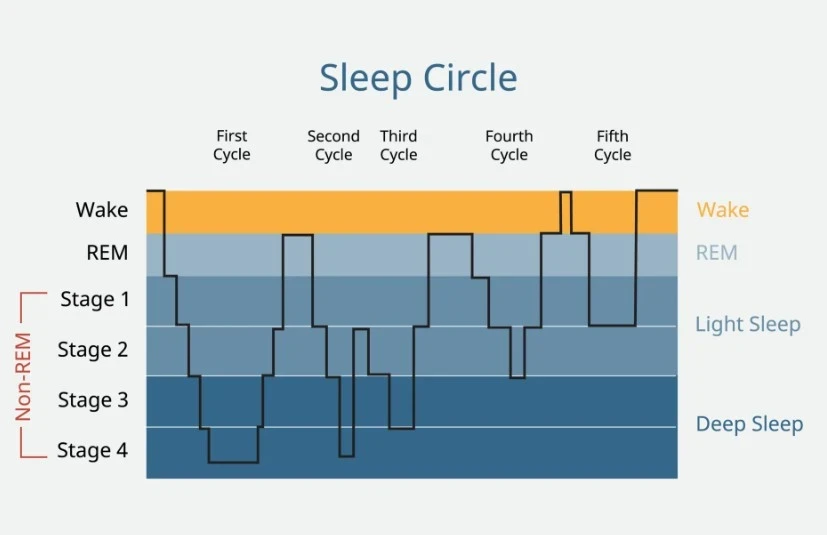
Sleep is made up of repeating cycles that include light sleep, deep sleep, and REM (rapid eye movement), but the balance of these stages shifts in older adults.
The deep sleep stage typically supports physical restoration, muscle recovery, and a feeling of being refreshed in the morning, because the body spends less time in this stage and more time in lighter stages of sleep.
REM sleep is essential for memory consolidation and cognitive processing, even though it tends to become shorter, which may explain why many seniors report sleeping for several hours yet still wake up feeling tired or mentally foggy.
Older adults are more likely to experience brief awakenings throughout the night rather than move smoothly from one stage to another, which reduces overall sleep quality.
The National Institute on Aging notes that older adults typically spend less time in deep and REM sleep and may wake up more often during the night, even though they still need about the same total amount of sleep as younger adults.
Understanding these biological changes can help older adults focus more on supporting sleep quality rather than worrying that something is inherently wrong.
Circadian Rhythm Shifts in Older Adults.
A shift in the circadian rhythm, often called the body’s internal clock, is another essential reason sleep feels different with age. This clock regulates when we feel alert and sleepy, and it naturally changes over time.
The circadian rhythm shifts earlier in many older adults, making them feel sleepy earlier in the evening and wake up earlier in the morning, which can lead many to consider this pattern a sign of insomnia, rather than part of age-related change.
Reduction in melatonin production (the hormone that signals to the body that it is time to sleep) is often a key factor behind this shift.
Aging eyes also become less sensitive to light, which can weaken the signals that keep the internal clock properly aligned with day and night, making sleep timing more fragile and easier to disrupt.
- These circadian changes help explain why seniors may struggle to stay asleep late at night or feel alert very early in the morning.
- They also highlight why the sleep environment, light exposure, and nighttime comfort become more important to sleep quality as we age.
This guide on how natural materials support better sleep for older adults explains why comfort, breathability, and gentle fabrics become increasingly important with age.
Why Does Sleep Become More Sensitive With Age?
Sleep becomes more easily disrupted as people get older. Small changes in light or minor discomforts can suddenly cause awakenings during the night. This increased sensitivity is one of the main reasons sleep feels lighter with age.
The nervous system can, for example, become more reactive, making the brain respond more quickly to external stimuli such as noise or movement.
At the same time, the body spends less time in deep sleep, making it easier to wake up from even mild disturbances.
Physical discomfort, such as temperature fluctuations, pressure points, or irritation from materials touching the skin, can also disrupt sleep in older adults more than in younger people.
This heightened sensitivity explains why creating a stable, comfortable sleep environment becomes increasingly important with age. Lighter and more fragile sleep reduces unnecessary disturbances and can make a meaningful difference in overall sleep quality.
The Sleep Foundation highlights that lighter sleep, more frequent awakenings, and greater sensitivity to noise and light make the sleep environment increasingly crucial for older adults.

Aging and Body Temperature Regulation.
Body temperature plays a critical role in sleep quality, and this process becomes less efficient with age. The body naturally lowers its core temperature at night to support more profound, more stable sleep in younger adults, but this regulation weakens as we get older.
Older adults often have a harder time releasing excess heat or maintaining warmth at night, which can lead to frequent awakenings caused by feeling too hot, too cold, or uncomfortable, especially during seasonal changes.
Changes in circulation, metabolism, and skin sensitivity all contribute to this issue. Temperature regulation is closely tied to deep sleep, and disrupted thermal comfort can reduce the restorative sleep quality, even if total sleep time appears adequate.
This is one of the reasons why breathability and temperature balance become increasingly essential factors in later-life sleep quality, even before specific sleep problems are identified.
Skin, Respiratory, and Sensory Changes With Age.
The skin and sensory systems become more sensitive as the body ages, which can quietly affect sleep quality, as older skin tends to be thinner, drier, and more prone to irritation.
Friction, heat, or contact with certain materials can trigger discomfort that leads to micro-awakenings during the night, even if the sleeper may not be fully aware of them.
Respiratory sensitivity can also make many older adults more reactive to dust, allergens, or airborne irritants, contributing to congestion, coughing, or restless sleep. These disruptions may seem minor, but repeated disturbances throughout the night can significantly reduce overall sleep quality.
The aging brain may have a harder time filtering out background stimuli, making touch, temperature, and even subtle pressure feel more noticeable during sleep. What once faded into the background can now become a source of repeated interruption.
- These skin, respiratory, and sensory changes help explain why comfort and material contact play a more crucial role in later-life sleep.
- Reducing irritation and minimizing sensory disturbances becomes essential for maintaining consistent, restorative rest as we age.
This guide to the seven top-rated massager machines for pain relief can also help explore simple, non-invasive options that promote relaxation before bedtime.
Why Comfort Becomes a Health Issue, Not a Luxury.
Sleep comfort affects more than just how restful a night feels as we age.
- Even minor disturbances can reduce energy levels, concentration, and mood in older adults.
- Inadequate or fragmented sleep can increase daytime fatigue and raise the risk of falls.
- Light, interrupted sleep may affect memory, focus, and mental sharpness.
- Aging muscles and joints rely on consistent rest for recovery, making comfort essential.
- Nightly irritation or poor temperature comfort may seem minor, but can compound into chronic sleep dissatisfaction.
- Better sleep helps seniors maintain energy, confidence, and daily routines.
Improving sleep comfort is not about indulgence for older adults. It’s about supporting health, safety, and quality of life.

What Is Normal Sleep Aging vs. When to Seek Help?
Some shifts in later life are a regular part of aging, while others may signal an underlying issue that deserves attention.
- Regular age-related changes include:
- Lighter sleep
- Earlier bedtimes and wake-up times
- Brief awakenings during the night
- Sleep changes that should not be ignored:
- Persistent exhaustion despite enough time in bed
- Loud snoring or breathing pauses
- Ongoing anxiety or racing thoughts that prevent sleep
- Sleep problems that worsen quality of life
- Stress and nervous system overload matter.
Chronic stress can keep the body in a constant state of alertness, making it difficult to fall or stay asleep, especially as the nervous system becomes more sensitive with age.
If stress or tension is contributing to poor sleep, calming the nervous system can be an essential complement to improving the sleep environment.
The Pulsetto Vagus Nerve Stimulator Review explains why this device is worth considering for older adults who want to support relaxation and improve sleep quality without relying on medication.
How Understanding Sleep Changes Helps You Improve It?
Understanding how sleep changes with age gives older adults a clear advantage when trying to improve sleep quality, rather than guessing or trying random fixes.
- Knowing that lighter or shorter sleep can be regular helps lower sleep-related anxiety, which itself can disrupt rest.
- Awareness of age-related sensitivity encourages small, meaningful changes, such as reducing nighttime disturbances or improving comfort rather than drastic measures.
- What worked at age 40 may not work at 70, meaning understanding this avoids frustration and unrealistic expectations.
- Seniors who understand their sleep patterns are more likely to adopt consistent routines that support rest over time.
- Understanding sleep challenges can help identify which lifestyle or environmental improvements are constructive.
Focusing first on understanding puts older adults in a stronger position to improve sleep quality safely, gradually, and with confidence.
Preparing for Smarter Sleep Improvements.
Aging bodies often need different strategies than they did earlier in life, and improvements work best when they align with these changes.µ
Rather than focusing on quick fixes, more innovative sleep improvements start with:
- Reducing unnecessary nighttime disruptions.
- Supporting the body’s natural temperature regulation.
- Choosing environments and materials that feel comfortable and non-irritating.
- Focusing on consistency instead of perfection.
Small, well-chosen adjustments can often lead to noticeable improvements in sleep quality over time, especially when they respect the body’s changing needs.
Modern sleep solutions typically support adaptability, aiming to work with the aging process rather than against it, thereby preparing seniors to evaluate sleep-related options more confidently.
Final Thoughts on How Sleep Quality Changes With Age.
Understanding how aging affects sleep cycles, sensitivity, temperature regulation, and comfort needs can help older adults approach sleep improvement with clarity instead of frustration, as sleep quality often changes with age.
Supporting the body as it changes is better than fighting these shifts, especially when sleep is lighter and more sensitive, comfort, consistency, and a supportive environment matter more than ever.
This foundation helps evaluate practical solutions thoughtfully, including those working with the aging body, such as natural, breathable, and chemical-free sleep materials from brands like Sleep & Beyond.
The following article explores common sleep problems in seniors, helping you distinguish between regular age-related changes and issues that deserve closer attention.