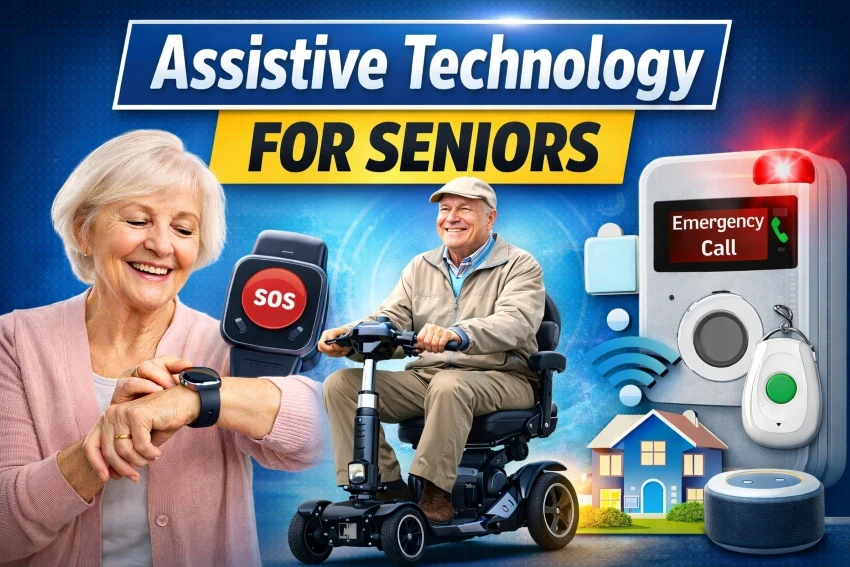
Being able to live safely at home, handle daily activities, and stay connected to family and caregivers directly influences confidence, dignity, and overall quality of life as we age.
However, declining mobility, health monitoring challenges, memory issues, and home safety concerns can make independent living more difficult over time.
Assistive technology helps seniors overcome these challenges. From simple reminder tools to smart home systems and safety devices, modern technology can support daily living without replacing human care.
This guide outlines how assistive technology supports seniors in maintaining independence, the available solutions, and the crucial limitations to consider, helping families make informed, realistic decisions.
What Is Assistive Technology?
Assistive technology includes tools, devices, and systems that help individuals perform daily tasks more easily and safely. This refers to technology that enhances independence without replacing personal care or medical treatment for seniors.
These tools range from simple, low-tech options like large-button phones and pill organizers to advanced, high-tech solutions such as emergency alert systems, smart home devices, and health-monitoring wearables. They have a shared objective: promoting independence, safety, and a better quality of life.
The World Health Organization (WHO) emphasizes that assistive technology helps older adults to “live healthy, productive, and dignified lives” by minimizing barriers related to aging or health issues.
It is important to distinguish assistive technology from medical devices. Assistive technology supports daily living and independence, whereas medical devices are primarily used for diagnosis or treatment. Many seniors use both together to age safely at home.
Where Does Assistive Technology Support Independence?
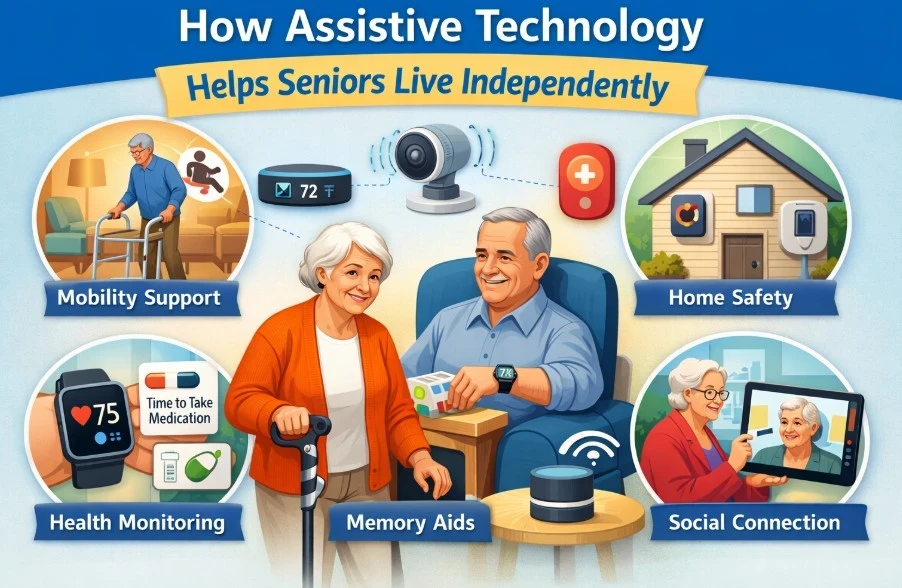
Assistive technology helps seniors overcome common daily challenges, enabling them to stay independent.
Mobilityand Physical Support.
Assistive mobility technologies help reduce fall risk and promote safe movement both inside and outside the home. Examples include walkers, smart canes, fall-detection devices, and mobility scooters, which enable seniors to move more confidently and rely less on supervision.
The National Institute on Aging (NIA) notes that many falls among older adults occur at home, and simple room-by-room changes, such as improved lighting and grab bars, can reduce fall risk and support safer, independent living.
Home Safety and Emergency Response.
Home safety technologies aim to prevent accidents and provide quick assistance when necessary. They encompass medical alert systems, automatic lighting, smart door locks, and voice-controlled assistants.
These tools are particularly useful for seniors living alone or those managing chronic conditions.
Health Monitoring and Daily Management.
Non-medical health technologies, such as smartwatches, medication reminder apps, and wellness trackers, help seniors monitor their health patterns daily.
These tools are not substitutes for medical devices, but they can support routine management and promote early detection of potential issues.
Cognitive Support and Memory Assistance.
Assistive technology offers seniors with mild memory changes support by providing structure and reassurance.
Tools like reminder apps, calendar alerts, and smart speakers can help seniors manage daily routines, appointments, and tasks, easing stress for both seniors and caregivers.
Communication and Social Connection.
Technology that supports communication, such as simplified smartphones, video calling services, and hearing aids, helps seniors stay socially connected.
Maintaining regular contact with family and friends is closely linked to emotional well-being and ongoing independence.
Communication and Social Connection.
Assistive technology enables seniors to communicate more easily and confidently, even when they face challenges with hearing, vision, or mobility, in the following key ways.
- Senior-friendly smartphones.
- Larger screens and text.
- Simplified menus.
- Emergency contact shortcuts.
- Video calling and messaging tools.
- Help seniors stay in touch with family and caregivers.
- Reduce loneliness and social isolation.
- Allow face-to-face interaction without travel.
- Hearing assistive technology.
- Helps seniors follow conversations more clearly.
- Reduces background noise in social settings.
- Improves confidence when speaking on the phone or in public.
- For example, modern hearing aids use digital sound processing to amplify speech while minimizing distractions, as explained in this internal guide on how the Audien Atom Pro hearing aids work.
- Voice-activated assistants.
- Enable hands-free calling and messaging.
- Allow seniors to ask questions or set reminders by voice.
- Useful for those with limited mobility or vision.
- Visual communication aids.
- Captioned phone services.
- Adjustable text size on tablets and computers.
- Helpful for seniors with combined hearing and vision changes.
Assistive technology enhances communication, enabling seniors to stay socially connected, nurture relationships, and actively participate in everyday activities.
Real-World Benefits of Assistive Technology for Seniors.
Assistive technology enables seniors to experience significant improvements in their daily lives, enhancing their physical safety, emotional health, confidence, and overall quality of life.
Greater Safety and Reduced Risk.
- Seniors are less likely to experience serious injuries from falls or emergencies.
- Emergency alert systems and fall detectors mean help can arrive quickly when needed.
Increased Confidence and Independence.
- Technology reduces fear of being alone, encouraging seniors to maintain routines and stay active.
- Knowing they can call for help or track health data increases self-reliance.
Less Burden on Caregivers and Family.
- Real-time alerts and remote monitoring let family members stay informed without constant check-ins.
- Seniors can handle many daily tasks independently, reducing stress for everyone involved.
Better Health Awareness and Routine Support.
- Tools like medication reminders and health trackers promote adherence to care plans.
- Seniors can see patterns in their activity, sleep, or medication habits, leading to earlier conversations with healthcare providers.
Emotional and Social Well-Being.
- Easier communication helps seniors stay connected with loved ones.
- Reduced isolation can lift mood and support mental health.
Seniors experiencing muscle tension or chronic pain can also refer to the guide on the 4 Best Back Massagers for Pain Relief to help enhance comfort at home.
Limitations and Considerations.
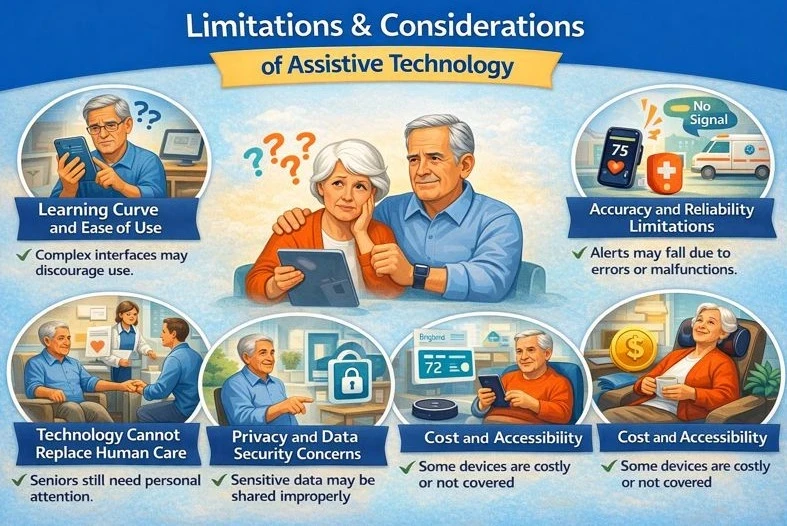
Assistive technology can significantly aid independent living, but understanding its limitations is crucial. It functions most effectively when used carefully and with human support.
Learning Curve and Ease of Use.
- Some seniors may feel overwhelmed by new technology.
- Complex interfaces can reduce adoption.
- Poor setup or inadequate training may limit usefulness.
- Choosing simple, intuitive tools is critical.
Technology cannot Replace Human Care.
- Assistive technology supports independence but does not replace caregivers.
- Emotional support, companionship, and medical judgment still require people.
- Seniors with advanced conditions may need both technology and hands-on care.
Accuracy and Reliability Limitations.
- Consumer health devices are not medical-grade.
- Data may be inaccurate or incomplete.
- Alerts can fail due to battery, signal, or user error.
- Technology should complement, not replace, professional advice.
Privacy and Data Security Concerns.
- Some devices collect personal or health-related data.
- Seniors may not always understand privacy settings.
- Families should review data-sharing policies carefully.
- Trustworthy brands and clear consent matter.
Cost and Accessibility.
- Some assistive technologies can be expensive.
- Not all devices are covered by insurance or public programs.
- Ongoing costs (subscriptions, replacements) may apply.
- Budget-friendly options should be prioritized when possible.
Over-Reliance on Technology.
- Too much automation can reduce physical or mental engagement.
- Balance is needed to avoid dependence on devices.
- Technology should empower, rather than limit, daily activities.
Key Takeaway.
Assistive technology is most effective when it is simple, dependable, affordable, and supported by human assistance. Knowing its limitations helps seniors and their families make realistic, well-informed choices.
How Seniors Can Choose the Right Assistive Technology?
The right assistive technology should always meet individual needs, abilities, and lifestyles.
Start With Daily Challenges.
- Identify the biggest obstacles (mobility, safety, communication, pain, memory).
- Focus on problems that most affect daily independence.
- Avoid buying technology “just in case” it might be useful.
Prioritize Ease of Use.
- Look for simple controls and clear displays.
- Avoid complicated setups or frequent maintenance.
- Choose devices with good customer support and clear instructions.
- Simplicity increases long-term adoption.
Match Technology to Physical Ability.
- Consider strength, balance, vision, and hearing.
- Lightweight and portable solutions are often better for seniors.
For mobility support, compact options can help seniors move safely without strain, such as lightweight electric scooters designed specifically for older adults, as explained in this guide about the Five Top Lightweight Folding Electric Scooters for Seniors.
Consider Safety and Reliability.
- Devices should work consistently in real-life conditions.
- Battery life, signal strength, and emergency access matter.
- Reliability is more important than advanced features.
Think About Comfort and Confidence.
- Technology should feel reassuring, not intimidating.
- Seniors should feel comfortable using the device independently.
- A confident user is more likely to benefit in the long term.
Evaluate Cost and Ongoing Expenses.
- Look beyond the purchase price.
- Consider subscriptions, maintenance, and replacements.
- Choose solutions that fit long-term budgets.
Involve Seniors in the Decision.
- Seniors should be part of the selection process.
- Respect personal preferences and comfort levels
- Shared decision-making improves satisfaction and usage.
Key Takeaway: The right assistive technology must be simple, reliable, comfortable, and tailored to real needs. It becomes a practical tool that genuinely supports independent living when chosen carefully.
Expert and Authority Insights.
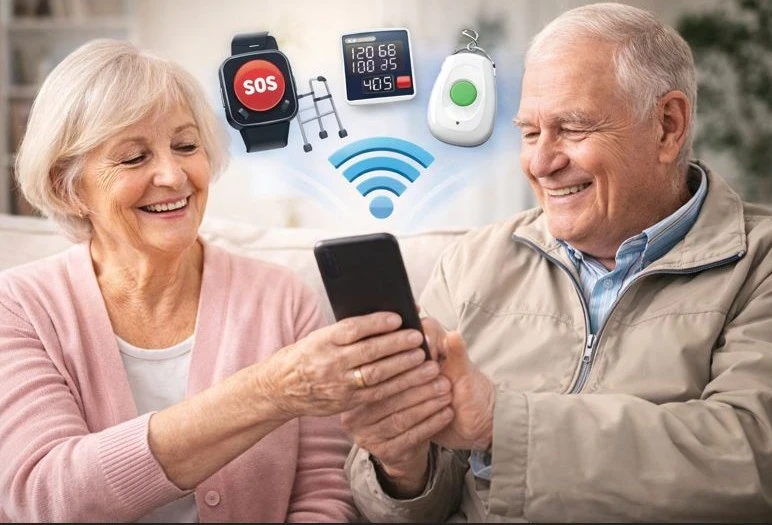
Experts in aging, healthcare, and accessibility consistently emphasize that assistive technology is most effective when it is practical, personalized, and used alongside human support.
Aging and Independent Living Experts Agree.
- Geriatric specialists highlight that technology can help seniors age in place safely, delaying or preventing the need for assisted living.
- Occupational therapists often recommend assistive tools that support daily function, such as mobility aids, communication devices, and home safety technology.
- The focus is not on advanced features, but on ease of use and consistency.
Health Organizations on Safety and Prevention.
- Public health authorities stress that fall prevention, home safety, and routine monitoring are key to independent living.
- Simple assistive solutions are often more effective than complex systems when adopted early.
- Technology works best as a preventive support, not only after an incident occurs.
Technology Professionals on Accessibility.
- Accessibility experts recommend:
- Clear displays and large text
- Voice control where possible
- Minimal setup and maintenance
- Devices designed with seniors in mind have higher long-term adoption rates.
Shared Professional Perspective.
Across medical, caregiving, and technology fields, there is strong agreement that:
- Assistive technology should support independence, not replace care.
- Seniors benefit most when tools match real-life needs.
- Training and family involvement improve outcomes.
- Simplicity and reliability matter more than innovation alone.
Key Insight.
Experts agree that assistive technology delivers the greatest value when it is trusted, easy to use, and integrated into daily routines, helping seniors stay independent while maintaining safety and dignity.
Those struggling with relaxation or sleep can also benefit from wearable sleep aids, such as the Chill Pill Sleep Aid Device.
FAQs About Assistive Technology for Seniors.
What is assistive technology for seniors?
Assistive technology comprises tools and devices designed to help seniors perform daily tasks more safely and independently. It includes mobility aids, communication devices, home safety systems, and comfort-enhancing devices.
Is assistive technology only for seniors with disabilities?
Many seniors use assistive technology to maintain independence, prevent accidents, and stay comfortable, even without a diagnosed disability.
Can assistive technology replace caregivers?
Assistive technology supports independence but does not replace human care. Emotional support, medical judgment, and hands-on assistance remain essential.
Is assistive technology safe for seniors living alone?
Devices that focus on simplicity, reliability, and safety can provide reassurance and quick access to help, especially for seniors living independently when chosen carefully.
How do I know which assistive technology is right?
The best choice depends on individual needs, physical ability, comfort level, and lifestyle. Starting with the biggest daily challenges and choosing easy-to-use tools is the most effective approach.
Is assistive technology expensive?
Some tools can be bought outright at a one-time cost, while others require ongoing subscriptions. It’s crucial to evaluate long-term expenses and prioritize essential features to prevent unnecessary spending.
Final Thoughts: Supporting Independence With the Right Technology.
Assistive technology can play a meaningful role in helping seniors live independently, safely, and with greater confidence when chosen thoughtfully.
These tools aid daily routines, minimize risks, and enhance comfort, all while maintaining the crucial human care and connections.
The key to success lies in simplicity, reliability, and personal fit, because technology should address real needs, be easy to use, and integrate naturally into everyday life.
Understanding both the benefits and limitations allows seniors and families to make informed choices that genuinely improve independence and quality of life.