
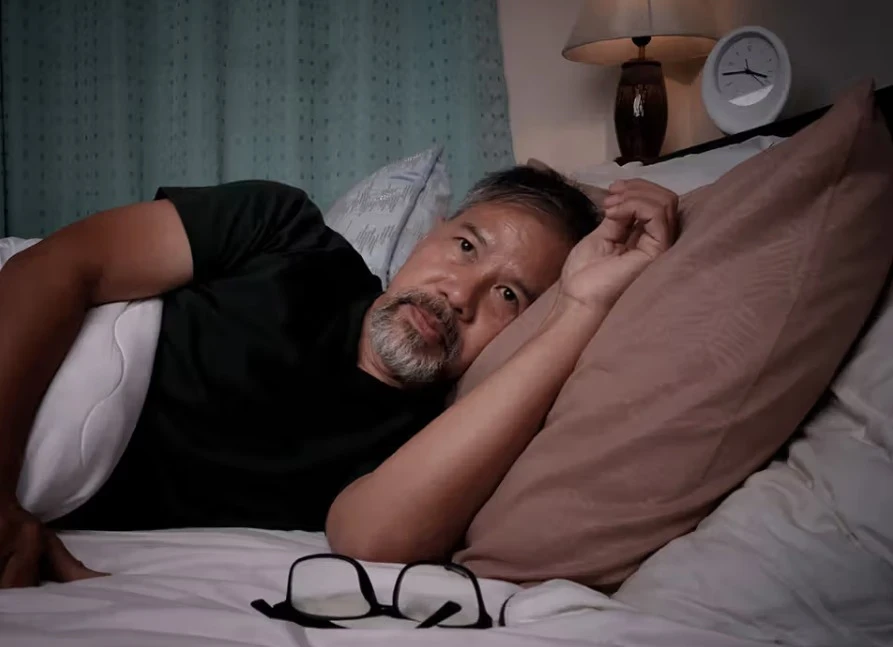
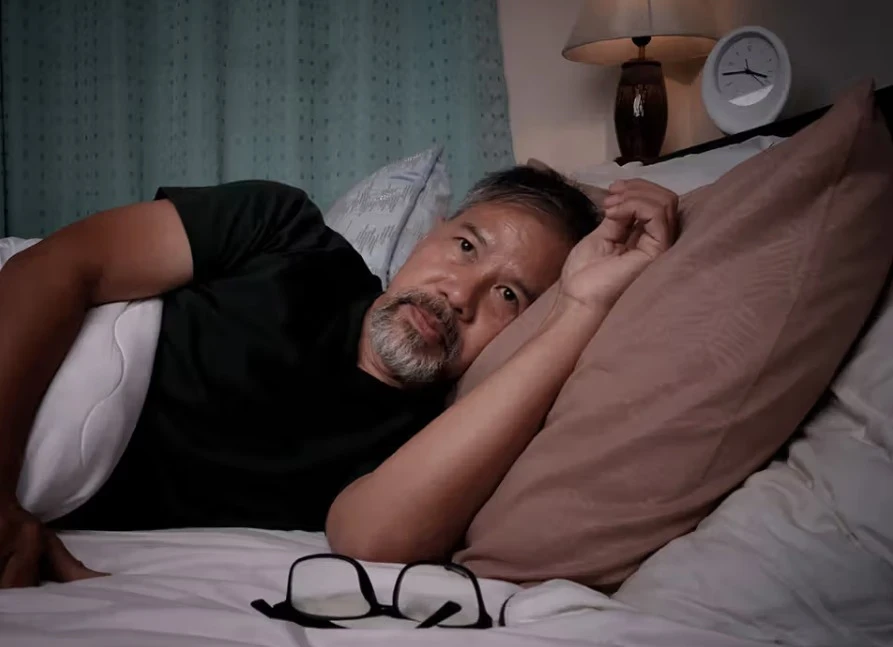
Many consider sleep issues as a standard and unavoidable part of aging, but this assumption can be misleading. Sleep patterns do change over time, and persistent sleep difficulties can be linked to identifiable sleep disorders that warrant attention.
Poor sleep may lead to daytime fatigue, reduced concentration, balance issues, mood changes, and a lower overall quality of life. These symptoms can develop gradually, causing disrupted sleep for years without older adults realizing that a specific condition may be involved.
Understanding how these conditions affect sleep helps older adults and their caregivers recognize warning signs, seek appropriate medical advice, and make informed decisions about supportive improvements.
That’s why we feel compelled to examine the most common sleep disorders among older adults and explain how each interferes with healthy sleep, helping you better understand what is normal, what is not, and when further action may be needed.
Why Older Adults Are More Vulnerable to Sleep Issues?
Older adults are more likely to develop sleep disorders because aging affects several systems that regulate sleep, making sleep lighter, more fragmented, and less resilient to disruption.
People spend less time in deep sleep as they age, and REM sleep, which is the most restorative stage for physical recovery and mental restoration. Awakenings become more frequent, and sleep disorders have a greater impact, with more time spent in lighter sleep stages.
The nervous system also becomes more sensitive over time, making older adults react more strongly to stress, noise, light, or discomfort, which can worsen conditions like insomnia or circadian rhythm disorders.
The brain also becomes less efficient at returning to sleep after nighttime awakenings, especially with chronic health conditions, such as heart disease, arthritis, diabetes, respiratory issues, and neurological conditions, which are often linked to poor sleep.
Medications used to manage these conditions can further interfere with sleep timing, depth, or continuity.
The U.S. National Library of Medicine highlights evidence linking sleep loss and sleep disturbances to biological processes that contribute to aging.
Understanding these underlying vulnerabilities helps explain why identifying and managing sleep disorders becomes increasingly crucial with age, rather than dismissing sleep problems as unavoidable.
Insomnia in the Elderly.
Insomnia is often chronic rather than occasional in older adults, presenting as difficulty falling asleep, trouble staying asleep, waking too early, or feeling unrefreshed despite spending enough time in bed.
- Reduced deep sleep leads to more frequent nighttime awakenings.
- Increased sensitivity to stress, pain, noise, and temperature.
- Medications that interfere with regular sleep cycles.
- Chronic health conditions that disrupt sleep continuity.
How does insomnia affect daily life among older adults?
- Daytime fatigue and low energy.
- Reduced concentration and mental sharpness.
- Irritability and mood changes.
- Lower overall quality of life.
- Higher risk of falls and balance issues.
- Possible contribution to cognitive decline over time.
Why is insomnia hard to recognize?
- Symptoms often overlap with age-related changes in sleep.
- Sleep problems may develop gradually.
- Many seniors assume poor sleep is unavoidable as they age.
How Does Sleep Quality Change With Age provides a deeper understanding of how these sleep patterns differ from those of insomnia.
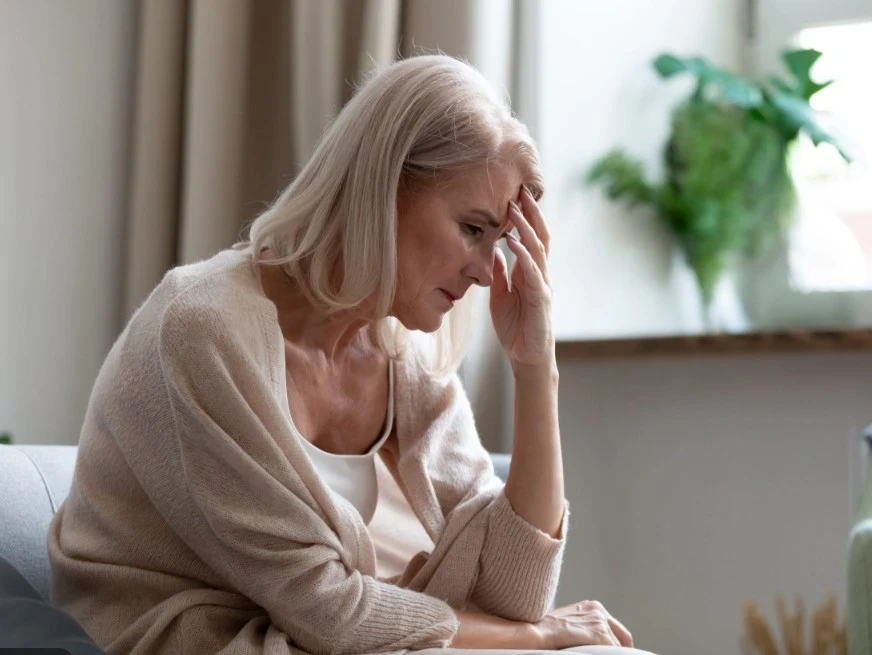
The Sleep Apnea Explained.
Sleep apnea occurs when breathing repeatedly stops and starts during sleep, often without the person realizing it. These pauses in breathing reduce oxygen delivery to the brain and body, disrupt sleep, and significantly lower sleep quality.
There are two main types of sleep apnea:
- Obstructive Sleep Apnea (OSA) is the more common form, caused by the relaxation of throat muscles that block the airway.
- Central Sleep Apnea (CSA), caused by the brain not sending consistent signals to the breathing muscles, is less common.
Typical signs and symptoms include:
- Loud, chronic snoring.
- Pauses in breathing during sleep.
- Gasping or choking episodes.
- Morning headaches and excessive daytime sleepiness.
- Difficulty concentrating or mood changes.
Sleep apnea can contribute to other health issues for older adults, including high blood pressure, heart disease, and increased risk of cognitive decline.
Older adults with obstructive sleep apnea may have a higher risk of future dementia than those without the condition, highlighting the broader consequences of untreated sleep apnea.
Many people with sleep apnea don’t know it and often mistake loud snoring or daytime fatigue for normal aging; talk with a healthcare provider if you have symptoms.
The Journal of the American College of Cardiology reports that obstructive sleep apnea is highly prevalent in older adults and is associated with increased cardiovascular risk, highlighting the importance of recognizing and managing this condition in the elderly.
Restless Legs Syndrome (RLS).
Restless Legs Syndrome (RLS) is a neurological sleep disorder that causes an uncontrollable urge to move the legs, usually in the evening or at night.
It often produces tingling, pulling, crawling, or aching sensations, typically worsening during periods of rest, complicating falling asleep.
Many seniors find themselves repeatedly getting out of bed or shifting positions as symptoms ease temporarily with movement, disrupting the natural transition into sleep, which can lead to chronic sleep deprivation and frustration around bedtime over time.
Repeated difficulty falling asleep may result in:
- Shortened total sleep time.
- Increased daytime fatigue.
- Reduced concentration and alertness.
- Lower tolerance for stress.
Our guide on how natural materials support better sleep for older adults explains how cotton, linen, and wool fabrics help regulate temperature and reduce nighttime discomfort.
Periodic Limb Movement Disorder (PLMD).
Periodic Limb Movement Disorder (PLMD) is a sleep condition characterized by repetitive, involuntary leg or arm movements that typically occur every 20 to 40 seconds and can last for minutes or even hours, often without the sleeper noticing them.
The repeated movements can briefly arouse the brain, fragmenting sleep throughout the night. These micro-arousals can significantly reduce sleep quality, even when the person doesn’t remember waking up.
PLMD may lead to:
- Non-restorative sleep.
- Excessive daytime sleepiness.
- Morning fatigue or grogginess.
- Reduced concentration and alertness.
Recognizing PLMD is crucial because ongoing sleep fragmentation can quietly undermine energy, mood, and overall well-being in older adults, even when total sleep time seems adequate.
Supporting Better Sleep Alongside Medical Care.
Medical guidance is essential when sleep disorders are involved. However, many older adults benefit most from a combined approach that pairs professional care with supportive, non-invasive home improvements.
- Treatments may target breathing, movement, or sleep timing, while comfort determines how well the body stays asleep night after night.
- Lighter sleep means temperature swings, pressure points, or irritating materials can trigger awakenings, even when a condition is being treated.
- Improving breathability, moisture control, and skin comfort can help limit micro-arousals that fragment sleep.
- Many seniors prefer approaches that work with the body without medication or complex devices, especially for long-term nightly use.
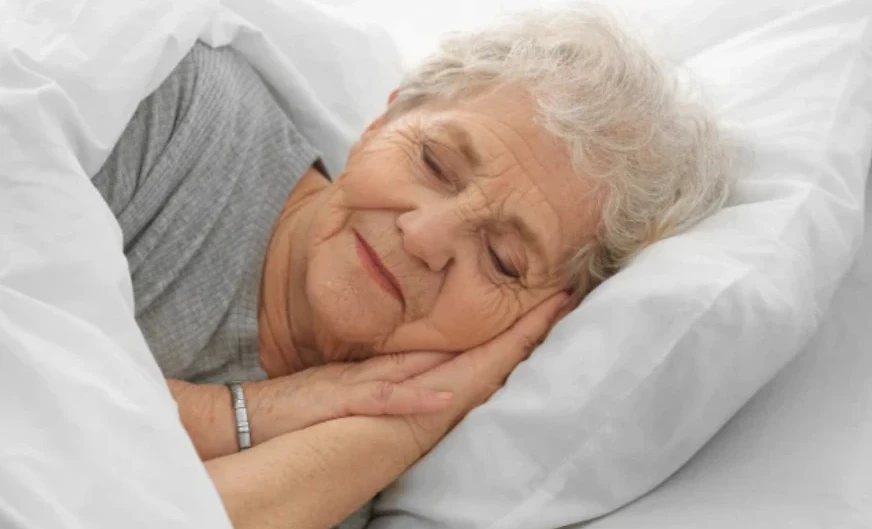
At this stage, some older adults choose to evaluate natural, breathable, and chemical-free sleep materials supporting comfort as the body changes.
Brands like Sleep & Beyond focus on temperature regulation and gentle materials that complement medical care rather than replace it.
How Stress and Tension Disrupt Sleep in Older Adults?
Worries about health, finances, family, or daily responsibilities can keep the mind active at night, making it harder to fall asleep or to fall back asleep after waking.
The nervous system may remain in a heightened “alert” state longer, which interferes with the natural transition into restful sleep, leading to:
- Difficulty relaxing at bedtime.
- Racing thoughts when lying down.
- Frequent awakenings during the night.
- Sleep that feels light or unrefreshing.
A few restless nights can become a pattern if the body never fully relaxes before sleep, which can affect daytime energy, mood, and overall well-being over time.
This type of sleep disruption underscores why supporting the nervous system and reducing nighttime tension are as crucial as addressing physical comfort when aiming for better sleep in later life.
Older adults dealing with nighttime discomfort or leg tension can also check this guide to the Seven Top-Rated Massager Machines for Pain Relief.
How Sleep Disruptions Affect Daily Life in Older Adults?
The effects often extend well beyond the bedroom when comfort, stress, or nighttime awakenings regularly disrupt sleep. Ongoing sleep problems can noticeably affect older adults’ day-to-day lives.
Poor or fragmented sleep may lead to:
- Lower daytime energy, making everyday tasks feel more tiring.
- Reduced focus and attention, especially later in the day.
- Slower reaction time, which can affect mobility and confidence.
- Mood changes, such as irritability or low motivation.
- Less enjoyment of daily activities, including hobbies and social time.
Older adults may feel these effects more strongly than younger people because recovery takes longer with age.
What starts as “just a bad night” can gradually undermine independence, routines, and overall quality of life if sleep disruption becomes chronic.
Improving sleep is not only about nighttime comfort but also about supporting alertness, balance, and well-being throughout the day.
Why Better Sleep Supports Mobility, Confidence, and Independence?
Consistent and restorative sleep prepares the body and mind to handle daily movement, balance, and decision-making.
Quality sleep helps support:
- Steadier balance, reducing hesitation during movement.
- Faster reaction time for navigating everyday environments.
- Better coordination and focus, especially when outdoors.
- Greater confidence makes seniors more willing to stay active.
Disrupted sleep night after night, even simple activities can feel more demanding. At the same time, fatigue and reduced alertness may cause older adults to limit movement, avoid outings, or feel less secure when navigating uneven surfaces or unfamiliar areas.
This link between sleep and mobility highlights why comfort, relaxation, and a supportive sleep environment help with rest and in maintaining an active lifestyle.
Those interested in staying active and mobile can also consult the guide to the best all-terrain electric scooters for older adults.
When to Pay Attention and Take Sleep Seriously?
Occasional poor sleep happens to everyone, but ongoing sleep disruption deserves attention, especially when it begins to affect daily life.
Listening to these signals early can prevent minor issues from becoming bigger challenges for older adults.
Take sleep more seriously if you notice:
- Persistent daytime fatigue that doesn’t improve.
- Difficulty concentrating or staying alert.
- Reduced confidence with balance or movement.
- Changes in mood, motivation, or enjoyment of daily activities.
- Sleep problems that continue despite good routines and habits.
Taking sleep seriously means recognizing that sleep is central to comfort, energy, and independence, and that supportive changes can make a meaningful difference.
Final Thoughts.
Sleep challenges are common in later life, but older adults shouldn’t accept them. Understanding how different sleep disruptions affect rest, comfort, and daily functioning empowers seniors to make thoughtful, practical improvements.
This article focused on how sleep affects energy, confidence, mobility, and quality of life rather than on medical labels or treatments, keeping the focus on supporting the aging body effectively.
In the following content, we will examine how natural materials can support better sleep for older adults, focusing on comfort, breathability, and skin sensitivity, which become more critical with age.