
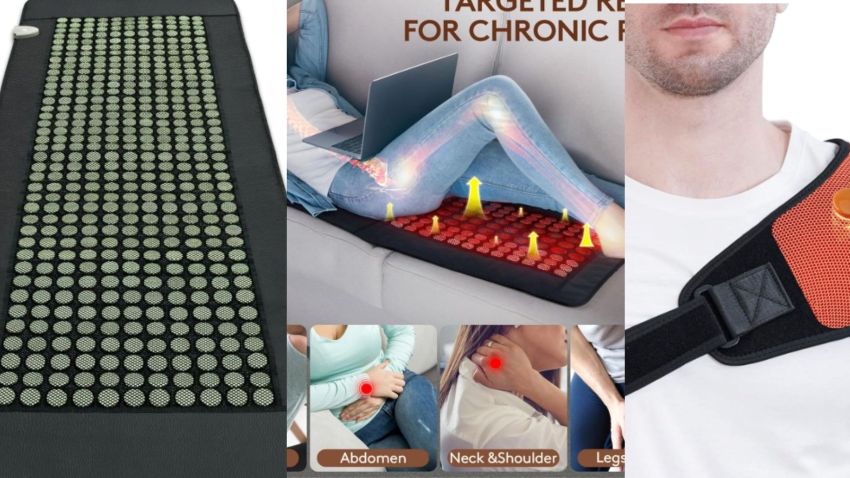
Many older adults experience daily discomfort, such as arthritis, muscle stiffness, or general aches that come with age. At the same time, a good heating pad can provide quick, gentle relief by improving blood flow, easing stiffness, and relaxing tense muscles.
Seniors need to look for safety features such as auto-shut-off, stable temperature control, and soft, comfortable materials because not all heating pads are equal.
Some devices offer deeper infrared heat, others provide broad back coverage, and they can be worn hands-free. Ease of use also matters, as large buttons, simple settings, and clear instructions make a big difference.
That’s why we feel compelled to share a guide that reviews the six top-rated heating pads for seniors, focusing on safety, user-friendly design, and real pain relief to make the best choice.
How Do Heating Pads Work?
Heating pads gently warm the muscles and surrounding tissues to boost blood flow, help loosen stiff joints, relax tight muscles, and lessen discomfort. You can experience relief within minutes because heat naturally calms nerves and eases tension.
There are two main types of heating pads:
- Electric heating pads use controlled electrical heat to warm the pad’s surface. They are simple, consistent, and ideal for everyday use.
- Infrared heating pads use infrared light to penetrate deeper into the muscles and joints, making them feel more soothing for chronic pain or arthritis.
Most quality heating pads include built-in safety features such as overheat protection, auto shut-off, and multiple heat settings, helping seniors achieve pain relief safely without worrying about burns or overheating.
In summary, heating pads provide consistent, gentle warmth that soothes the body, making them a dependable, at-home option for seniors seeking natural pain relief.
Key Features To Look For In Heating Pads.
Look for models with auto-shut-off, which turns the device off after a set time to prevent overheating or accidental burns. Stable temperature control ensures a constant heat level rather than overheating.
- Soft, flexible materials also make the pad easier to place on the back, shoulders, or joints, while larger pads can cover wider areas of pain.
- Infrared heating pads, which penetrate deeper into muscles than traditional electric pads, may offer more effective relief.
- Usability matters, too. Large buttons, simple controls, and clear instructions help seniors operate the device confidently without frustration.
- Also, check for certifications or safety standards to ensure the heating pad meets recognized guidelines for home use.
The Cleveland Clinic Abu Dhabi, a trusted medical authority, provides helpful guidance on staying safe while using heat.
The Six Top-Rated Heating Pads for Seniors.
Infrared Heating Pad for Seniors.
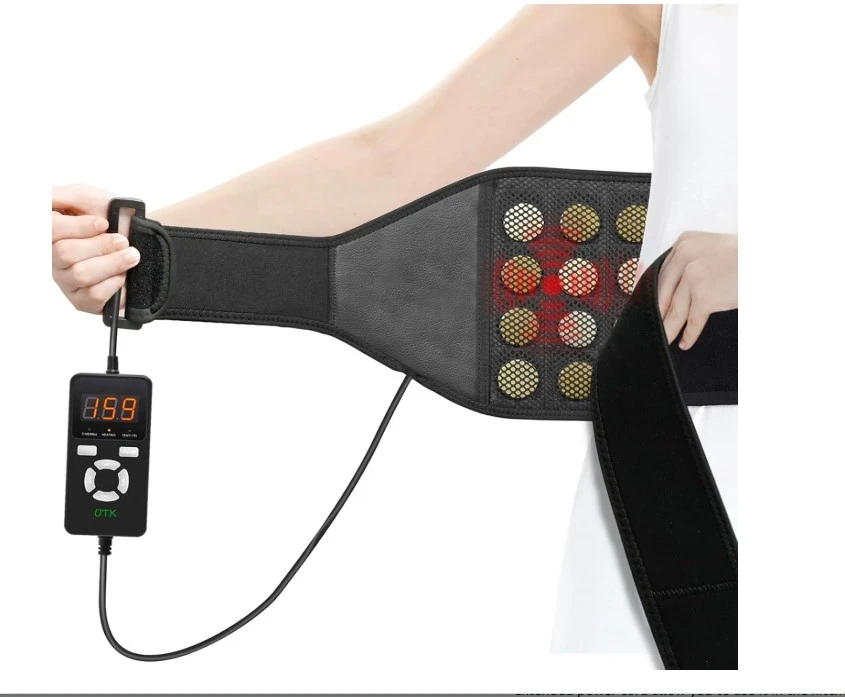
Infrared heating pads penetrate muscles and joints more deeply, instead of just warming the skin surface, making them especially beneficial for chronic pain, arthritis, and stiffness. They tend to feel gentler, heat more evenly, and stay effective without getting too hot, which is a significant safety advantage for older adults.
You can choose from knee wraps, back pads, shoulder pads, full-body mats, and multi-purpose flexible pads, depending on the specific areas of the body you want to target.
Key Features.
- Far-infrared technology for deeper, more consistent heat penetration.
- Gentle warmth that doesn’t feel harsh or overly hot on sensitive skin.
- Natural materials, often with jade, tourmaline, or carbon fiber heating elements.
- Steady temperature regulation to prevent overheating.
- Multiple heat levels allow seniors to choose a comfortable intensity.
- Extensive pad options that effectively cover the back, hips, or shoulders.
- Long cords and simple controllers for easier access and usability.
Pros and Cons.
Cons.
- Delivers deeper heat, excellent for arthritis and chronic pain.
- Stays warm without becoming uncomfortable for seniors.
- Even heat distribution reduces the chance of hot spots.
- Often made from high-quality, durable materials.
- Feels more soothing and comfortable than many electric pads.
Cons.
- Typically expensive than basic heating pads.
- Natural stones can make some models heavier.
- Takes slightly longer to heat up compared to electric pads.
They are ideal for seniors with arthritis or chronic back pain, and anyone who needs deeper therapeutic heat.
Large Heating Pads for Back Pain.
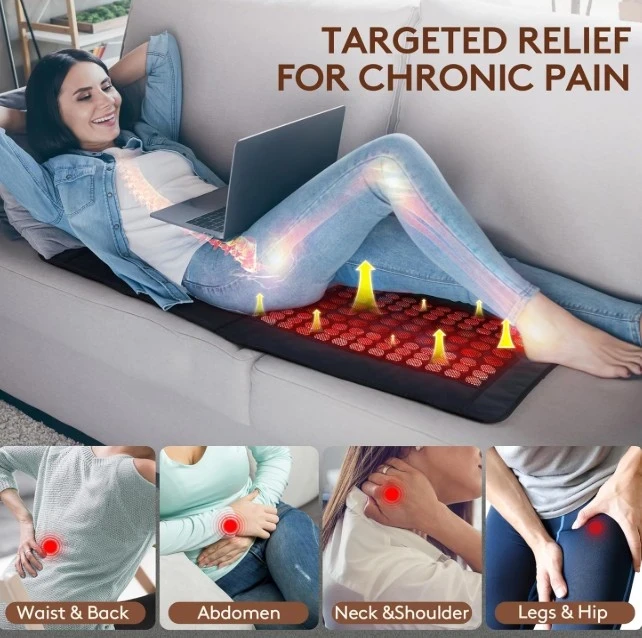
Large heating pads cover vast areas of the body for those experiencing persistent back pain, muscle tension, or stiffness in the shoulders and lower spine, providing more comprehensive coverage and more effective relief than smaller models.
Warming a larger area at once helps muscles relax, improves circulation, and decreases the tightness that often develops during daily activities.
Key Features.
- Extra-large surface area for full back or shoulder coverage
- Consistent heat distribution across the entire pad.
- Multiple heat settings for gentle or more intense relief.
- Soft, flexible fabric that contours comfortably to the body.
- Auto shut-off function for safe use, especially during longer sessions.
- Long power cords allow more freedom of movement.
Pros and Cons.
Pros.
- Ideal for upper, mid, and lower-back pain.
- Provides more uniform heat than small pads.
- Helps relieve deep muscle tension and stiffness.
- Comfortable design suitable for daily use.
Cons.
- A larger size may feel bulky for some seniors.
- Not ideal for small areas like wrists or knees.
- Must remain plugged in, limiting portability.
Best for: Seniors with recurring back pain who need wide, consistent heat coverage.
Wearable Heating Pads.
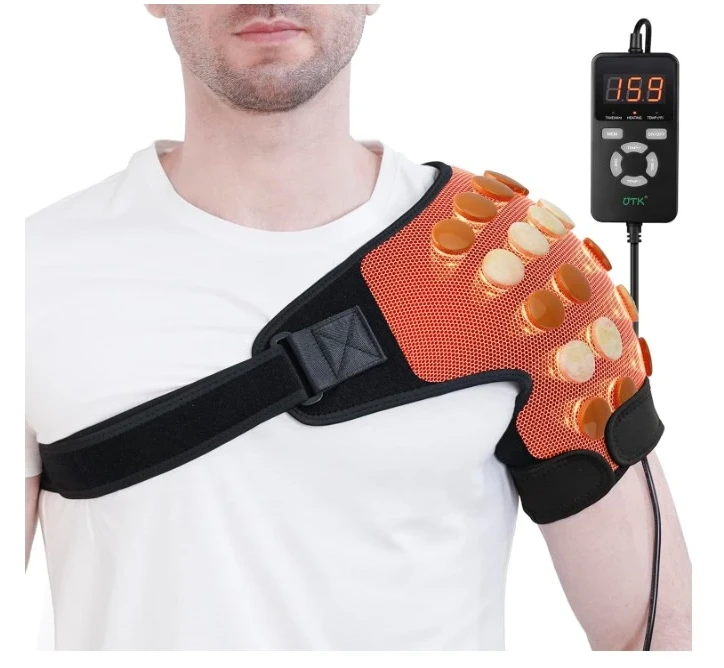
Wearable heating pads wrap around the body, such as the lower back, abdomen, shoulders, or knees, and stay in place with straps, Velcro, or ergonomic shapes, allowing the wearer to move, walk, or relax comfortably without constantly adjusting the pad.
They help relieve chronic lower-back pain, joint stiffness, or mobility issues by delivering heat right where it’s needed while allowing natural movement.
Key Features.
- Wrap-around straps or ergonomic shaping keep the pad securely in place.
- Ideal for lower back, waist, abdomen, shoulders, or knees, depending on the design.
- Comfortable for extended wear and easy for seniors with limited mobility to position.
- Allows customization based on pain level and comfort preference.
- Essential safety features prevent overheating during extended sessions.
- Gentle on the skin and suitable for more prolonged use throughout the day.
- Some models offer rechargeable battery packs for cordless mobility.
Pros and Cons.
Pros.
- Hands-free design makes it easy to move, walk, or sit comfortably.
- Excellent for targeted lower back or abdominal pain.
- Lightweight and senior-friendly with simple controls.
- The pad doesn’t require constant adjustment.
- Can be worn during light household activities.
Cons.
- The heating area may be smaller than full-size pads.
- Rechargeable models can have limited battery life.
- Some wrap designs may feel snug or warm when used for extended periods.
- Not ideal for covering large areas, such as the upper back.
Best for: Seniors who want mobility, targeted lower-back or joint relief, and the convenience of hands-free heat therapy.
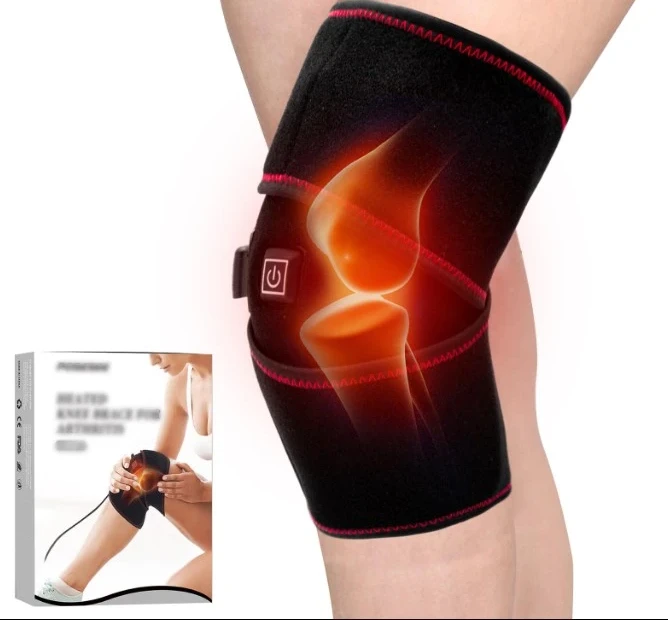
Heating Pad for Arthritis Relief.
Heating pads for arthritis relief provide consistent warmth to joints such as the knees, hands, elbows, or shoulders. They often wrap around the joint, stay securely in place, and deliver targeted heat that reduces stiffness and improves flexibility, unlike standard flat pads.
Key Features.
- Shaped or wrap-style pads fit knees, wrists, hands, shoulders, or elbows for more effective relief.
- Warms up quickly, allowing older adults to feel relief within minutes.
- Adjustable temperature settings allow comfortable control depending on the sensitivity and severity of pain.
- Some models allow moist heat, which can penetrate joints more deeply.
- Velcro or elastic straps help the pad stay in place without needing to hold it.
Pros and Cons.
Pros.
- Provides targeted heat for arthritis-prone joints.
- Helps reduce stiffness and improve mobility.
- Easy, hands-free wrap designs.
- Gentle, soothing warmth suitable for daily use.
Cons.
- Not ideal for larger areas, such as the back or hips.
- Some models require careful positioning for best results.
Best for: Seniors dealing with knee, hand, wrist, shoulder, or elbow arthritis who need targeted heat therapy for stiffness and mobility.
Premium Heating Pads.
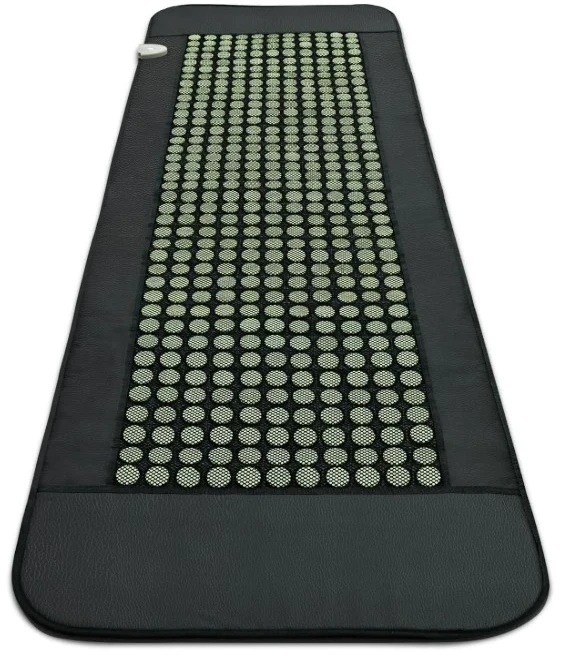
Premium heating pads typically feature upgraded materials, medical-grade heating elements, and more sophisticated temperature-control systems to deliver superior comfort compared to standard models.
These options deliver smoother, deeper, and more consistent heat, making them especially valuable for chronic pain, arthritis, or long-term daily use.
Key Features.
- Ultra-soft microplush or velvety fabric that feels gentle on the skin and reduces irritation.
- More stable and consistent heating, often with deeper penetration.
- Usually, 6–10 settings for finer comfort adjustment.
- Straightforward for seniors to position without strain.
- Auto-shutoff, overheat protection, and precise temperature regulation.
- Built to last longer than standard pads, even with daily use.
Pros and Cons.
Pros.
- Extremely comfortable and gentle on sensitive skin.
- More effective for chronic pain because of better heat consistency.
- Designed for long-term use with better durability.
- More settings and customization for senior comfort.
Cons.
- Higher price range compared to regular pads.
- Some models may feel heavier due to thicker materials.
Best for: Seniors with chronic pain or arthritis, or anyone seeking long-term comfort and reliability.
Overall Heating Pads.
The Overall Heating Pads can be used to address common issues seniors face, such as back pain, muscle stiffness, general aches, and joint discomfort. They provide a gentle, even heat over a relatively broad surface, making them safe and user-friendly starting points for newbies to heat therapy.
Key Features.
- Wide surface area to cover larger regions like the back, shoulders, or thighs, allowing for more extensive heat coverage.
- Even heating distribution to ensure the entire pad warms evenly, avoiding hot or cold spots that cause discomfort.
- Adjustable temperature settings for better control of heat intensity (gentle warmth to higher settings for profound muscle relief).
- Auto-shutoff safety feature that automatically turns off after a set time to prevent overheating or skin burns.
- Soft fabric on the skin and often machine-washable for easy maintenance.
- Large buttons, clear labels, and easy handling for seniors who prefer straightforward devices.
Pros and Cons.
Pros.
- Provides broad, even heat that works well for the back, shoulders, hips, and thighs.
- Adjustable temperature settings allow seniors to choose the most comfortable heat level.
- Auto-shut-off adds an essential layer of safety and helps prevent overheating or burns.
- Simple controls with large buttons make it easy for seniors who prefer straightforward devices.
- Soft, comfortable fabric feels gentle on the skin and is often machine-washable.
Cons.
- They can feel too large or warm for smaller areas like wrists or knees.
- Full-size pads can be a bit bulky or awkward to position for some seniors.
- Some models do not offer deeper infrared heat, which may reduce effectiveness for chronic pain.
Best for seniors who want a safe, easy-to-use heating pad that delivers reliable, everyday pain relief without complicated features.
Our guide to the 7 Top-Rated Massager Machines for Pain Relief also offers additional options worth exploring for more ways to ease discomfort.
Safety Tips for Seniors Using Heating Pads.
Heating pads can be beneficial for reducing daily discomfort, but you must use them safely to avoid burns, overheating, or skin irritation.
- Always begin on the lowest level and increase slowly only if needed.
- Short sessions prevent overheating and skin irritation, while extended ones may cause burns rather than improve pain relief.
- Choose models with an automatic shut-off of 15–30 minutes and don’t fall asleep with the pad to avoid prolonged exposure.
- Place a thin cloth or layer between the skin and the pad to reduce the risk of burns and feel more comfortable, especially for sensitive skin.
- Avoid applying heat to fresh injuries or inflammation, as this can worsen swelling, and follow a doctor’s recommendations when in doubt.
- Inspect the pad regularly to replace it if it shows any damage or malfunction, and consult a doctor for chronic pain.
This content about the Seven Top-Rated Massager Machines for Pain Relief also highlights more at-home relief options for your specific conditions.
FAQs About Heating Pads for Seniors.
Are heating pads safe for seniors?
Heating pads are generally safe when used correctly. Seniors should choose pads with auto-shutoff, stable temperature control, and soft materials to reduce the risk of burns.
How long should a senior use a heating pad?
Most experts recommend sessions of 15–20 minutes. Seniors with thinner skin or reduced sensation should avoid long sessions, as many seniors find shorter periods more comfortable for managing chronic pain and arthritis. Standard electric pads work effectively for quick, surface-level relief.
Can seniors with diabetes or neuropathy use heating pads?
Seniors with decreased sensation should always see a doctor first because they might not notice if the pad becomes too hot. Heat can also help relax stiff joints, improve flexibility, and ease arthritis discomfort.
Can you sleep with a heating pad on?
Sleeping with a heating pad increases the risk of burns or overheating, so use yours only while awake. The most senior-friendly pads have large buttons, simple controls, and hands-free designs.
The Pulsetto Vagus Nerve Stimulator Review can also help explore more ways to achieve calm, relaxation, and better overall comfort at home.
Final Thoughts.
Heating pads typically ease stiffness, improve mobility, and provide gentle relief right at home if you choose the right safety features, easy-to-use controls, and a design that matches personal needs.
Make sure you stay comfortable, stay safe, and choose the pad that fits your lifestyle best, whether you prefer an all-purpose pad, deeper infrared heat, a wearable hands-free option, or a premium model.
The easiest and most reliable choice is to select a heating pad that delivers the right balance of safety, comfort, and simple, effective pain relief for everyday use.